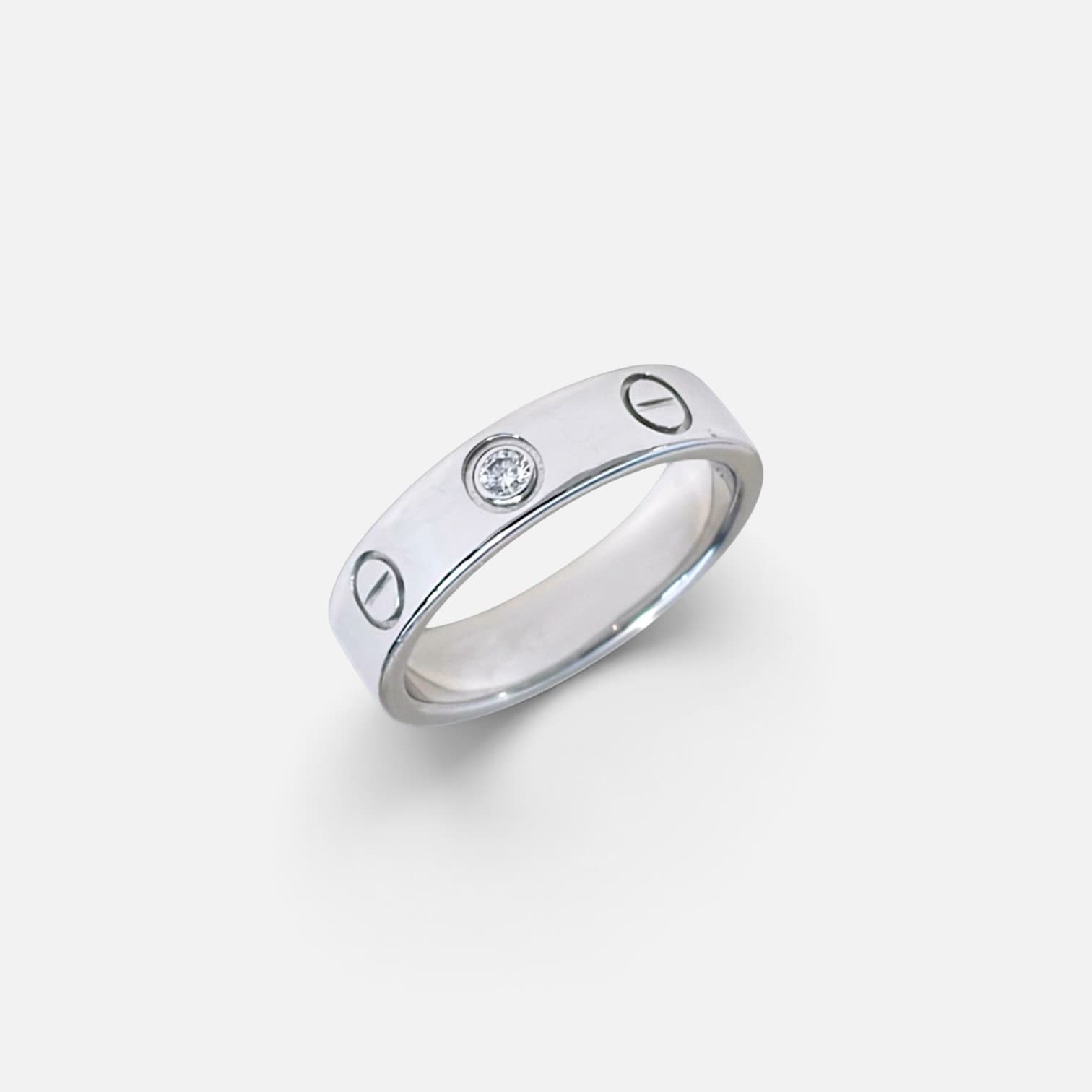
Few names in jewelry carry the weight of Cartier. Once called "the jeweler of kings and the king of jewelers," the Maison has adorned royalty, film stars, and collectors for well over a century — and its estate pieces remain among the most sought-after in the world.
A house built on heritage
Founded in Paris in 1847, Cartier rose to prominence outfitting European and Indian royalty, and helped define modern jewelry along the way. Its blend of precision, restraint, and daring — from geometric Art Deco to the mastery of platinum — set a standard the house still trades on today.
The icons
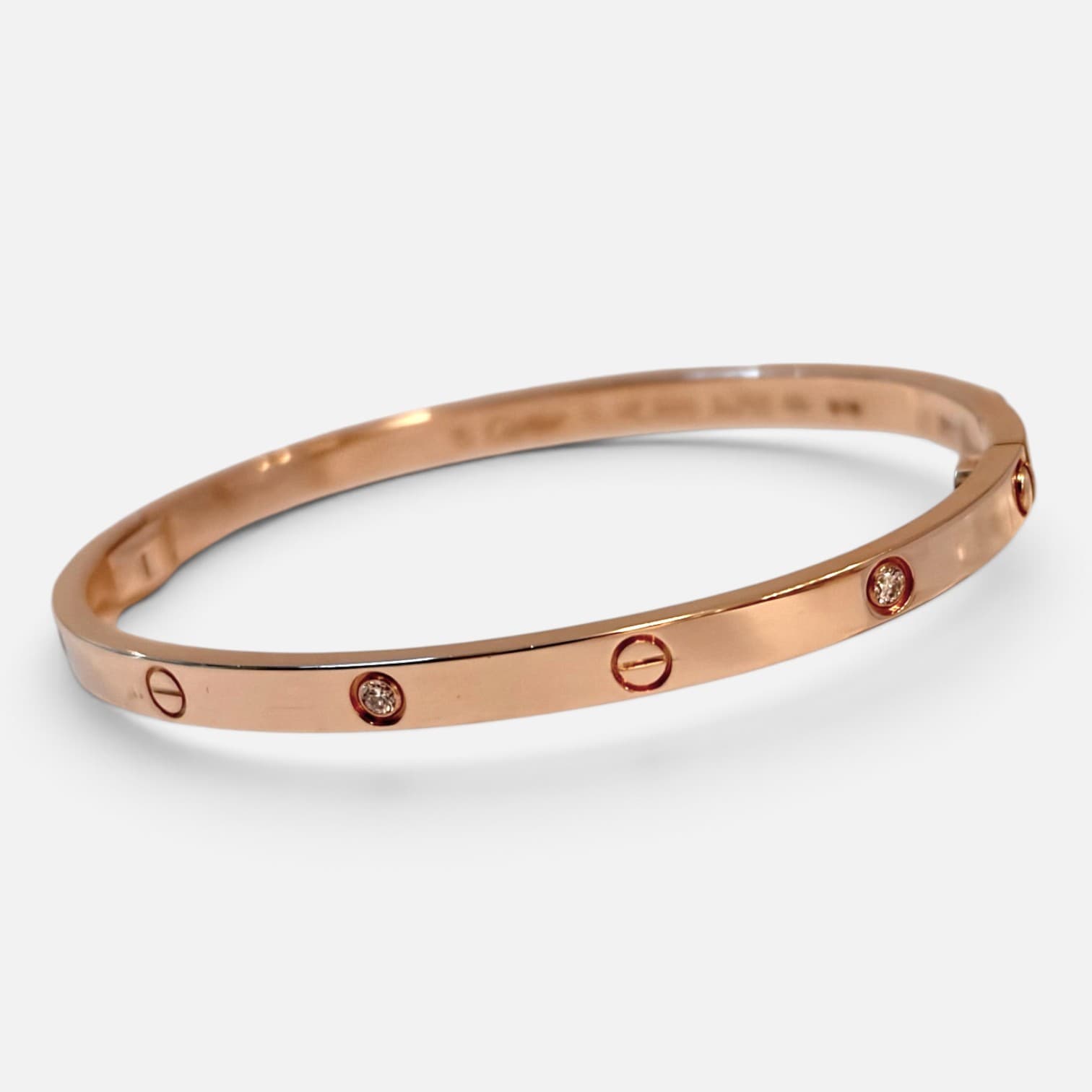
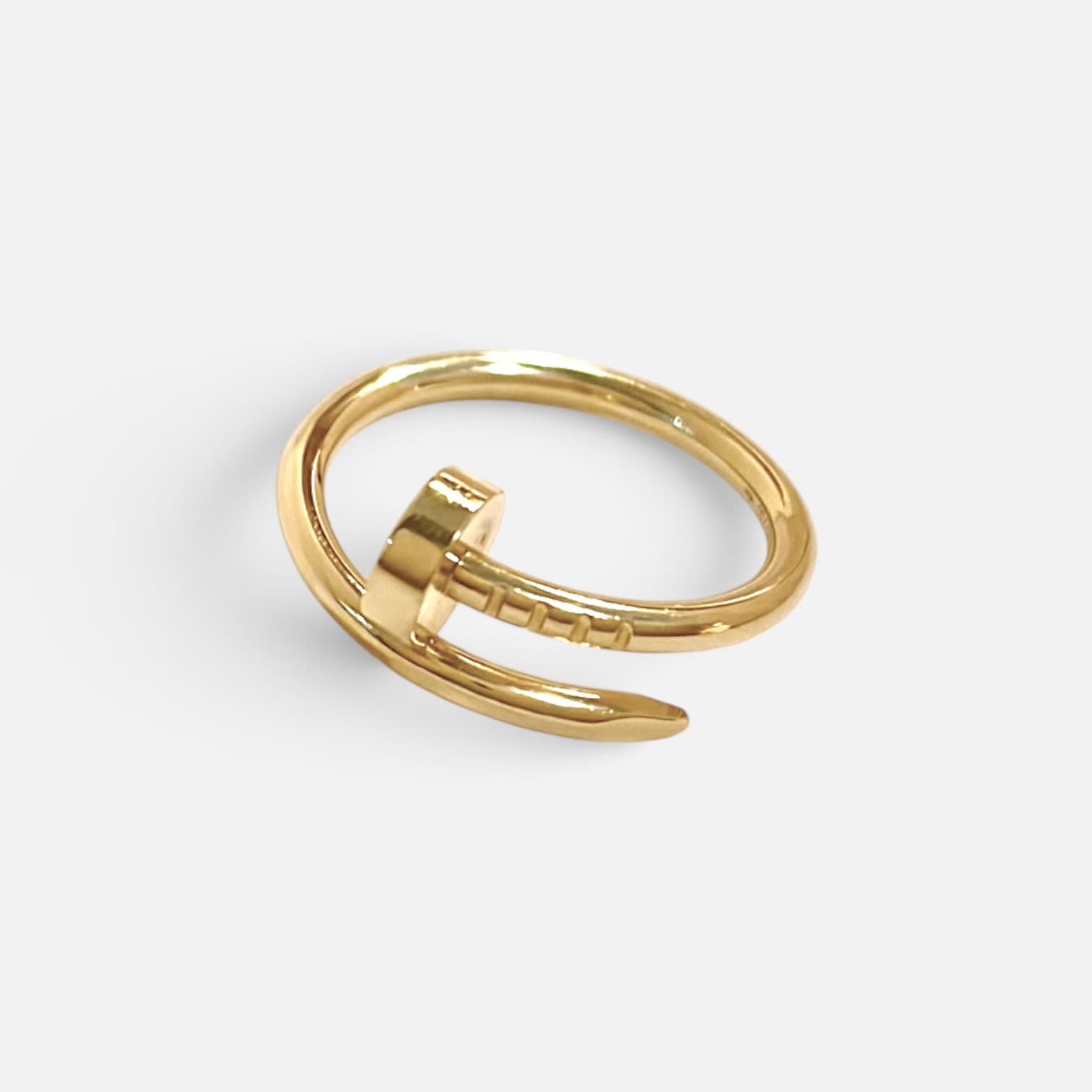
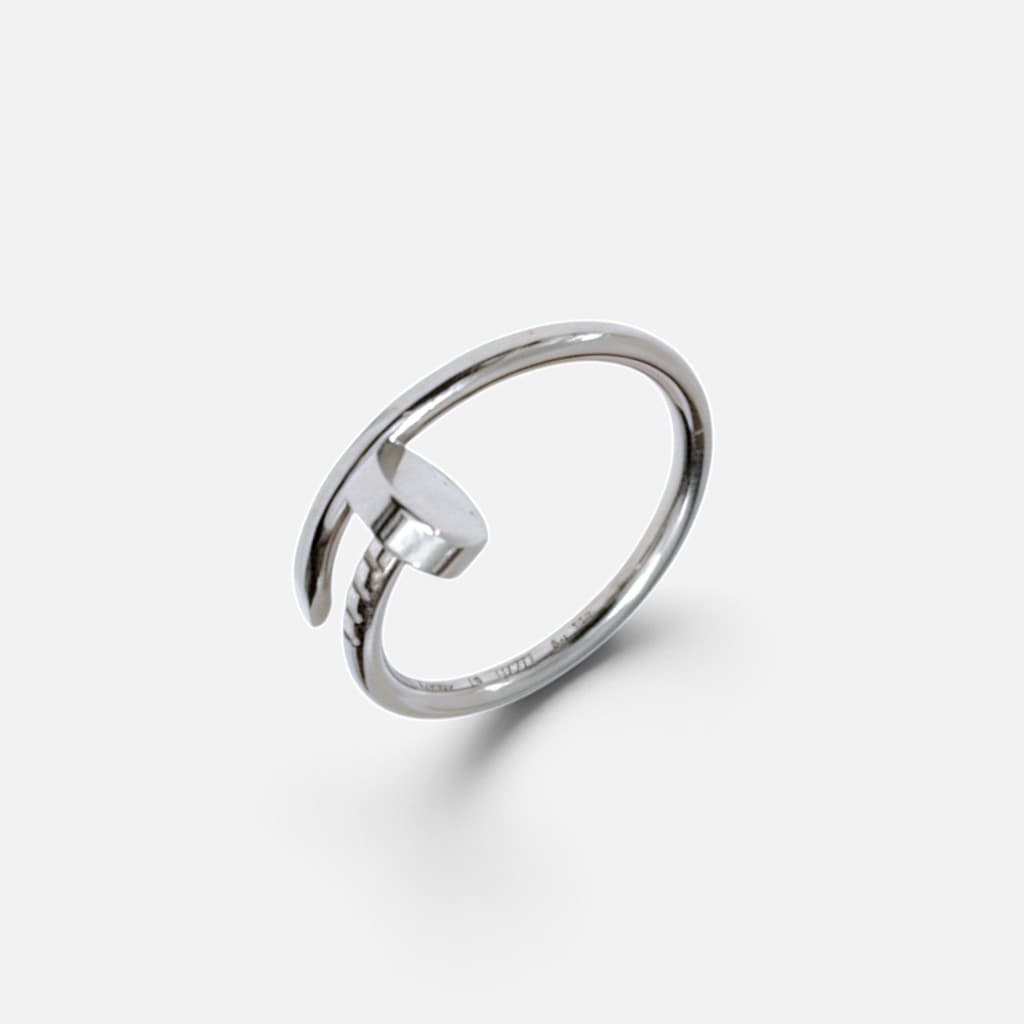
Certain designs are instantly Cartier. The Love bracelet, fastened with a screwdriver, turned devotion into an object. The Juste un Clou reimagined a humble nail as high jewelry. The Panthère, the Tank, the Trinity ring, and the Santos each became a signature in its own right — pieces that read as Cartier from across a room.
Why they're collectible
Cartier pieces hold their desirability because the designs are timeless and the craftsmanship exceptional. Vintage examples — especially Art Deco and mid-century pieces — are prized for quality that's difficult to reproduce, and demand consistently outstrips the supply of fine estate examples.
What to look for
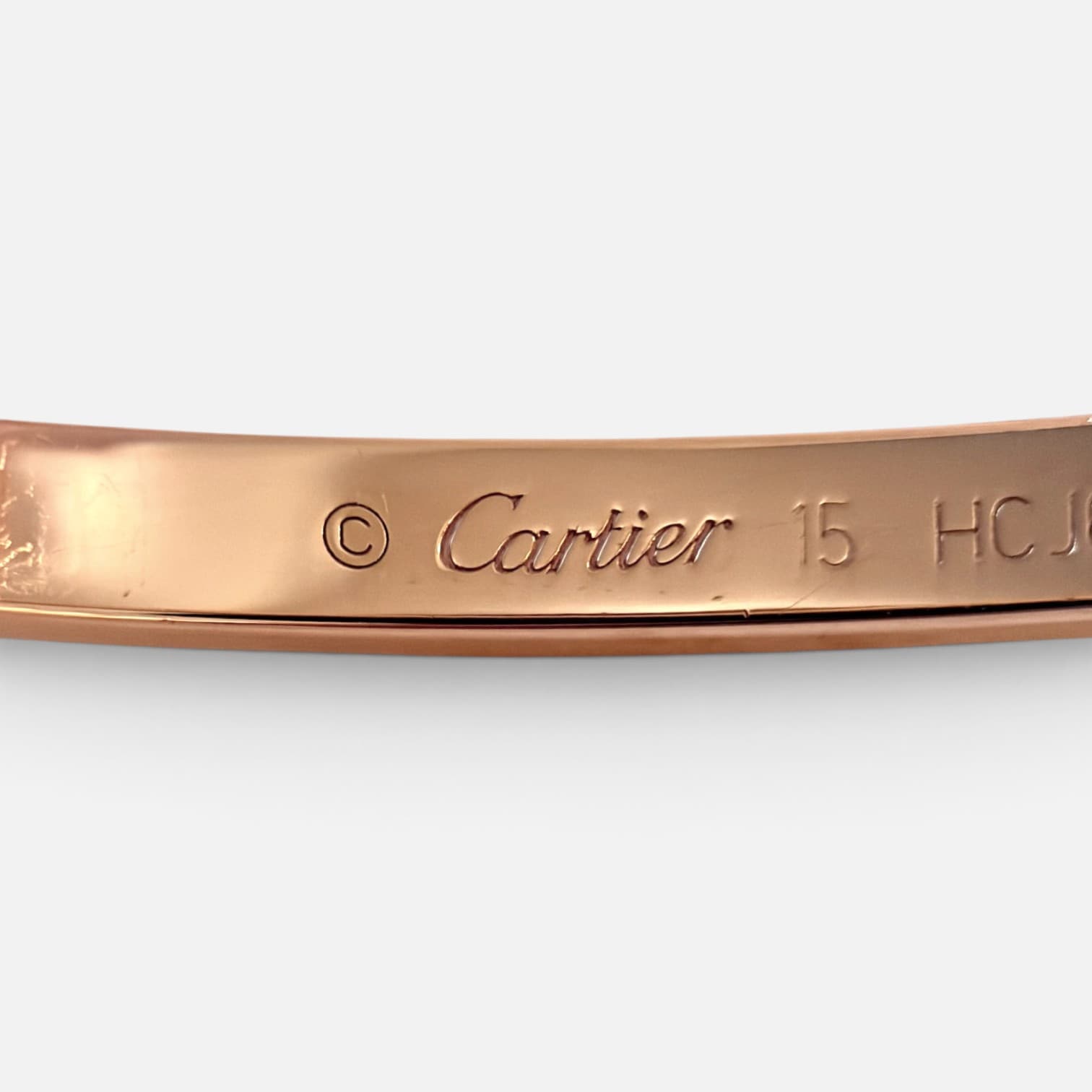
Genuine Cartier is signed and typically carries a serial number and hallmarks. Look for a crisp signature, secure settings, and condition consistent with age. Because the name attracts reproductions, provenance and expert authentication matter — every signed piece we offer is examined carefully before it's listed.