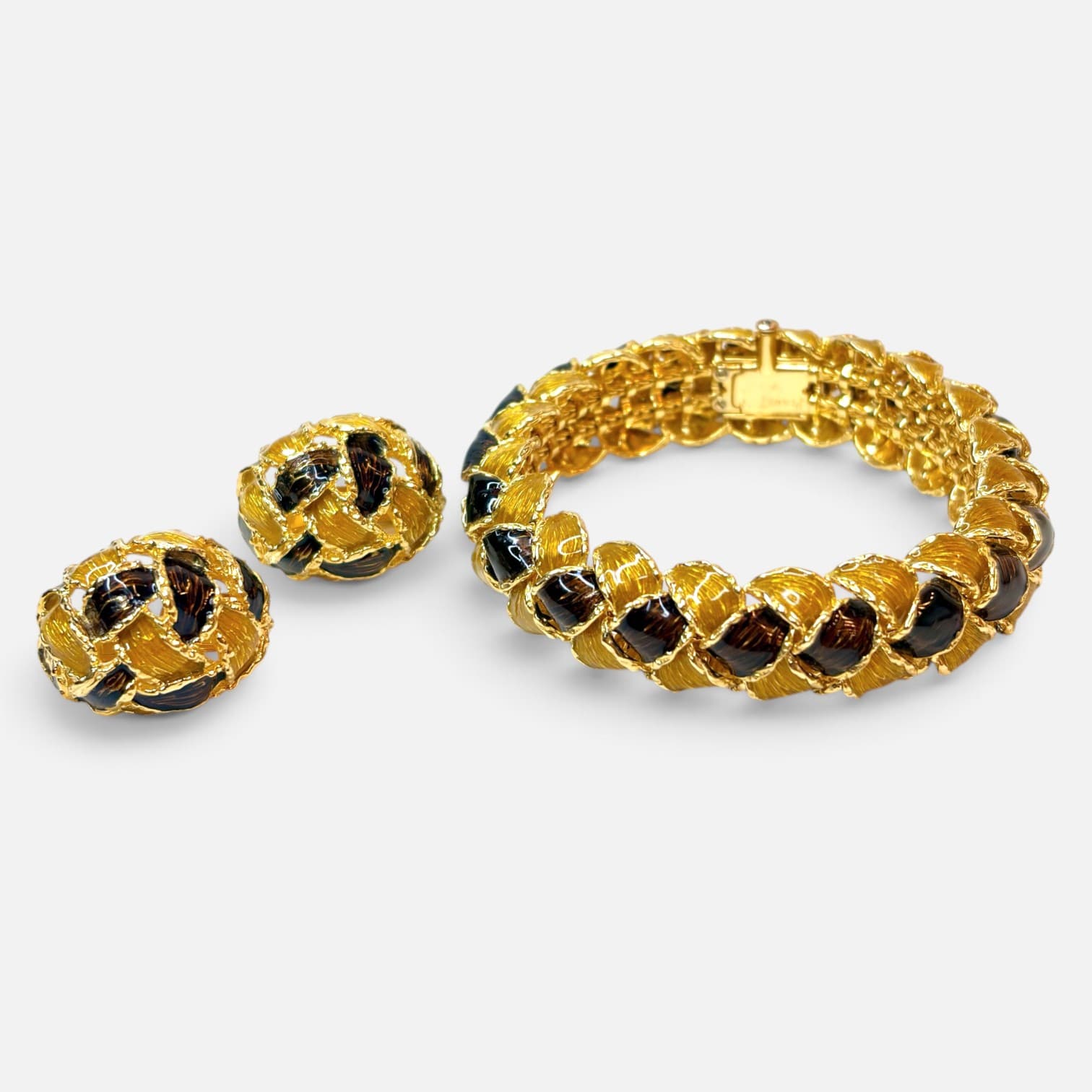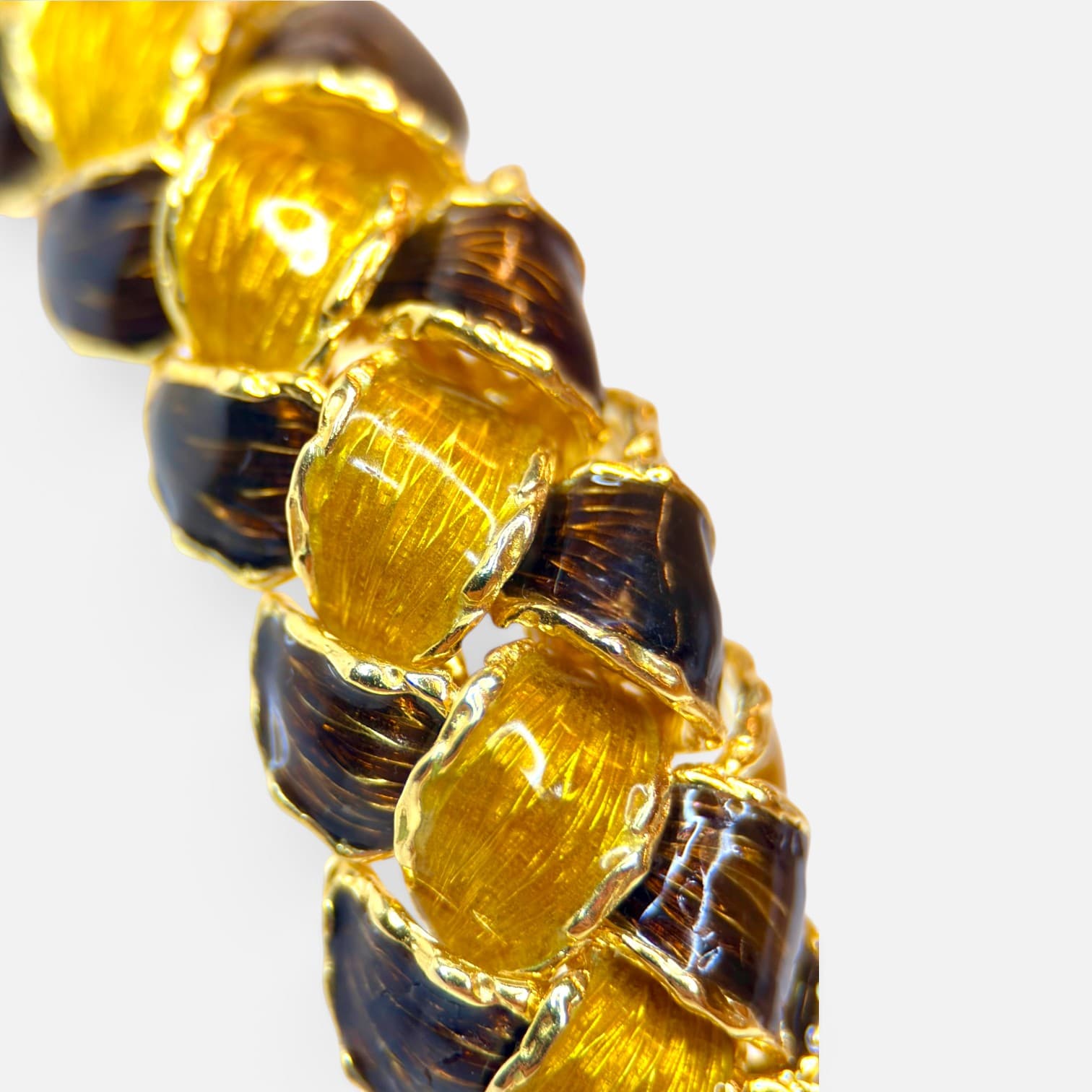
Cartier, Van Cleef & Arpels, Tiffany & Co., and Bulgari get the headlines — and we've written a guide to each. But some of the most rewarding jewelry to collect comes from houses that fly a little further under the radar: Italian engravers, Japanese pearl pioneers, and modern American designers whose work is every bit as fine. Here are some of the signed makers we carry, why each one matters, and the signature designs worth knowing.
Buccellati
Founded in Milan in 1919, Buccellati is unlike any other jeweler — its work looks less like modern jewelry than like Renaissance goldsmithing brought back to life. The house is famous for its hand-engraving techniques, especially the rigato (fine parallel lines that give gold a soft, silky shimmer) and the lace-like tulle openwork that seems impossibly delicate. A Buccellati piece is instantly recognizable for its textured, matte-gold surfaces and its air of old-world craft, which is exactly why collectors prize it.
Mikimoto
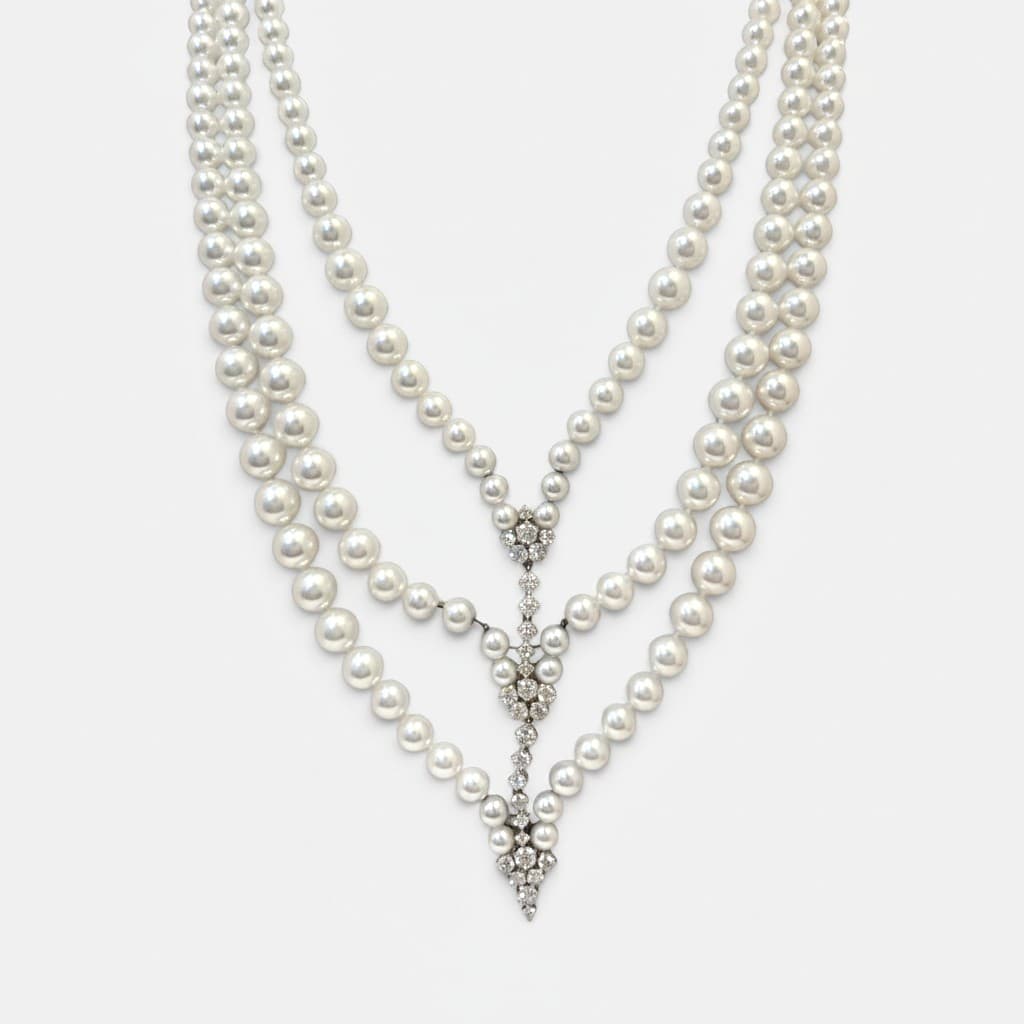
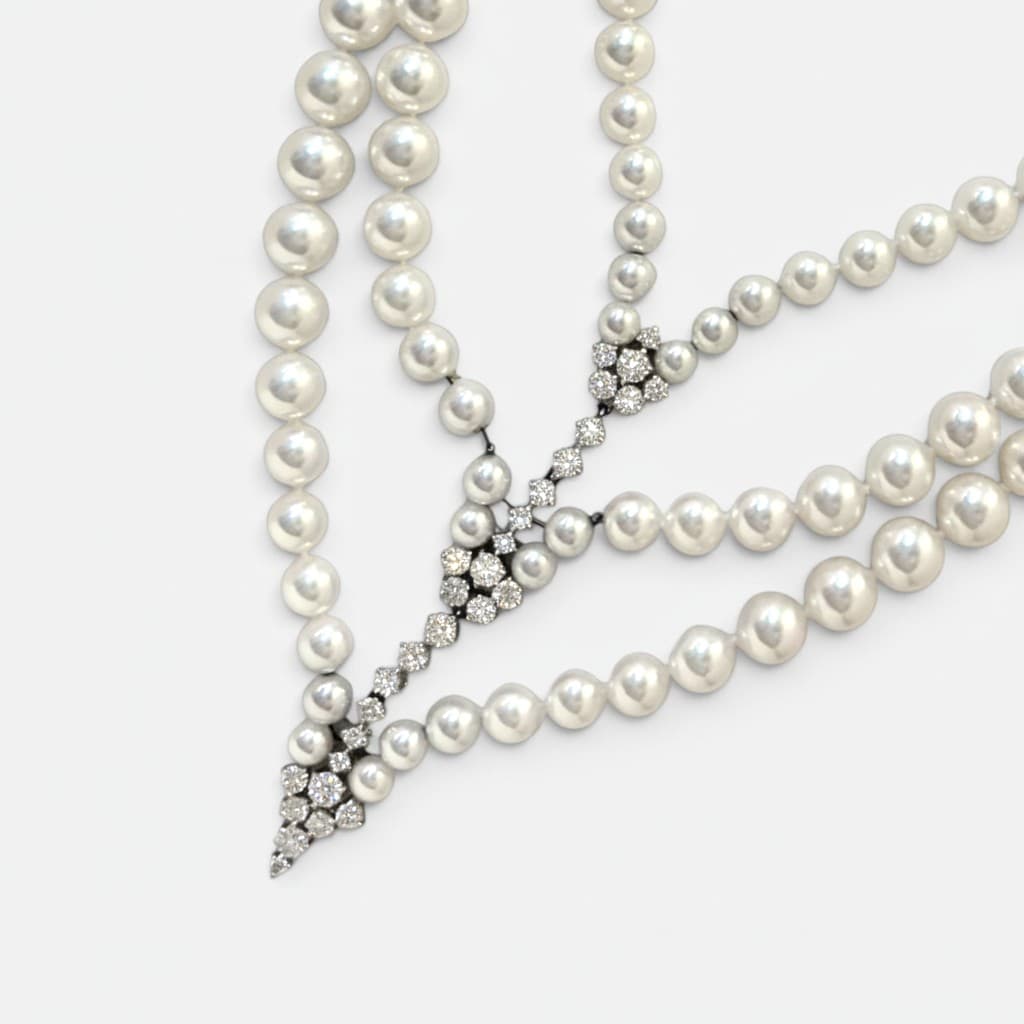
Mikimoto is, quite simply, the reason cultured pearls exist. Kokichi Mikimoto perfected pearl culturing in Japan in 1893, and the house he founded has been the world's authority on pearls ever since. Mikimoto is synonymous with the very finest Akoya pearls — chosen for their roundness, luster, and flawless surface — and a signed Mikimoto strand remains the benchmark against which all other pearls are judged. If you're buying pearls, this is the name that guarantees the quality.
David Yurman
The great American jewelry house, David Yurman is best known for a single, unmistakable motif: the twisted helix Cable, introduced in the 1980s and now one of the most recognizable designs in modern jewelry. Beyond the Cable Classics, the house is admired for pairing sculptural gold and silver with vivid colored gemstones and exceptional pearls. Yurman's work reads as effortlessly modern and distinctly American — polished, wearable, and always well made.
Robert Wander
A quieter name that collectors have come to treasure, the New York designer Robert Wander — whose pieces are signed "WINC," for Wander Inc. — built a following for bold, sculptural gold jewelry with real drama and a sense of humor. His work favors richly worked 18-karat gold and striking figural designs, like the facing lion-head cuff we carry, its manes pavé-set with diamonds and its body laid with a lattice of kite-cut citrine and amethyst. Wander's characterful, superbly made pieces are increasingly sought after as collectors rediscover distinctive American gold jewelry of the later twentieth century.
Chopard
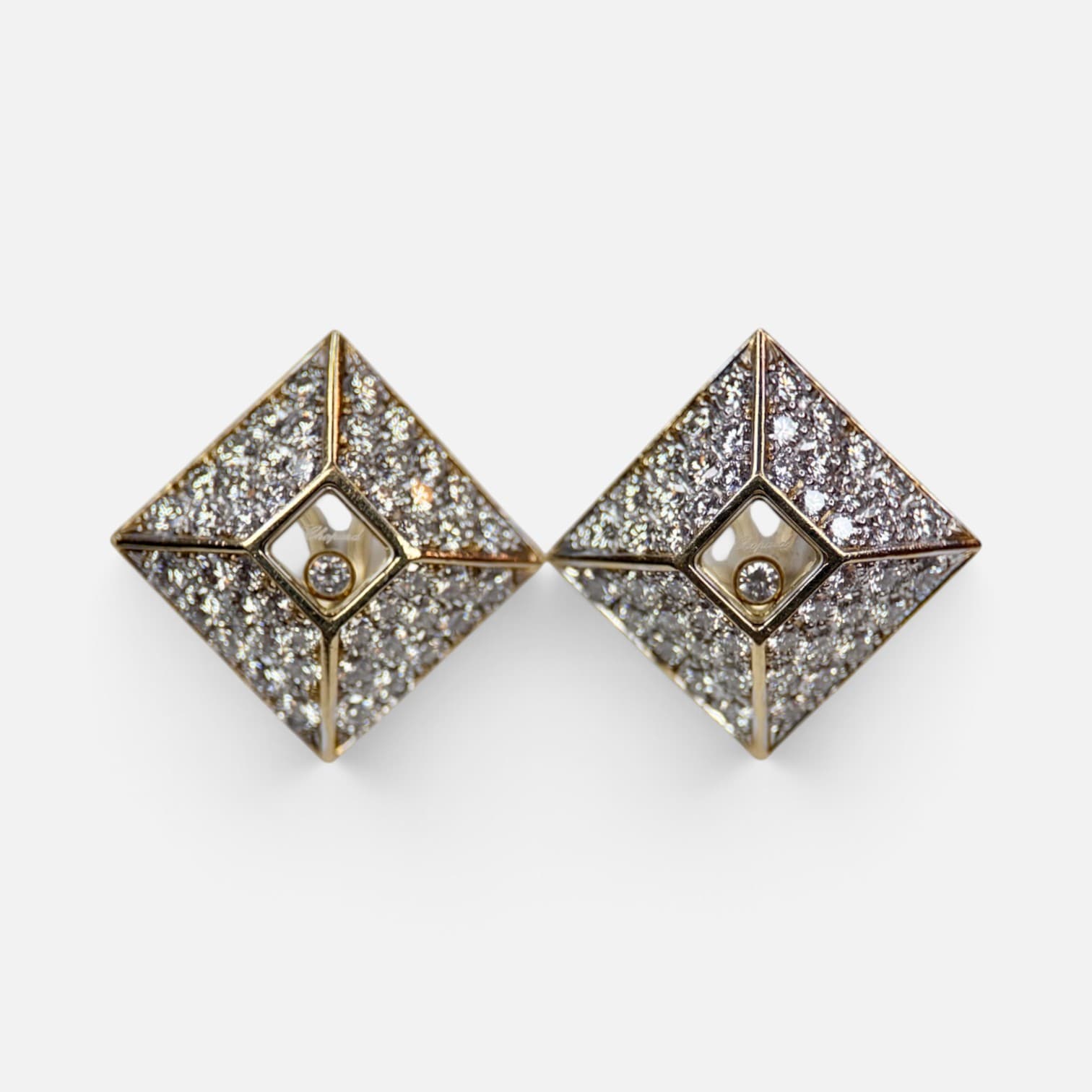
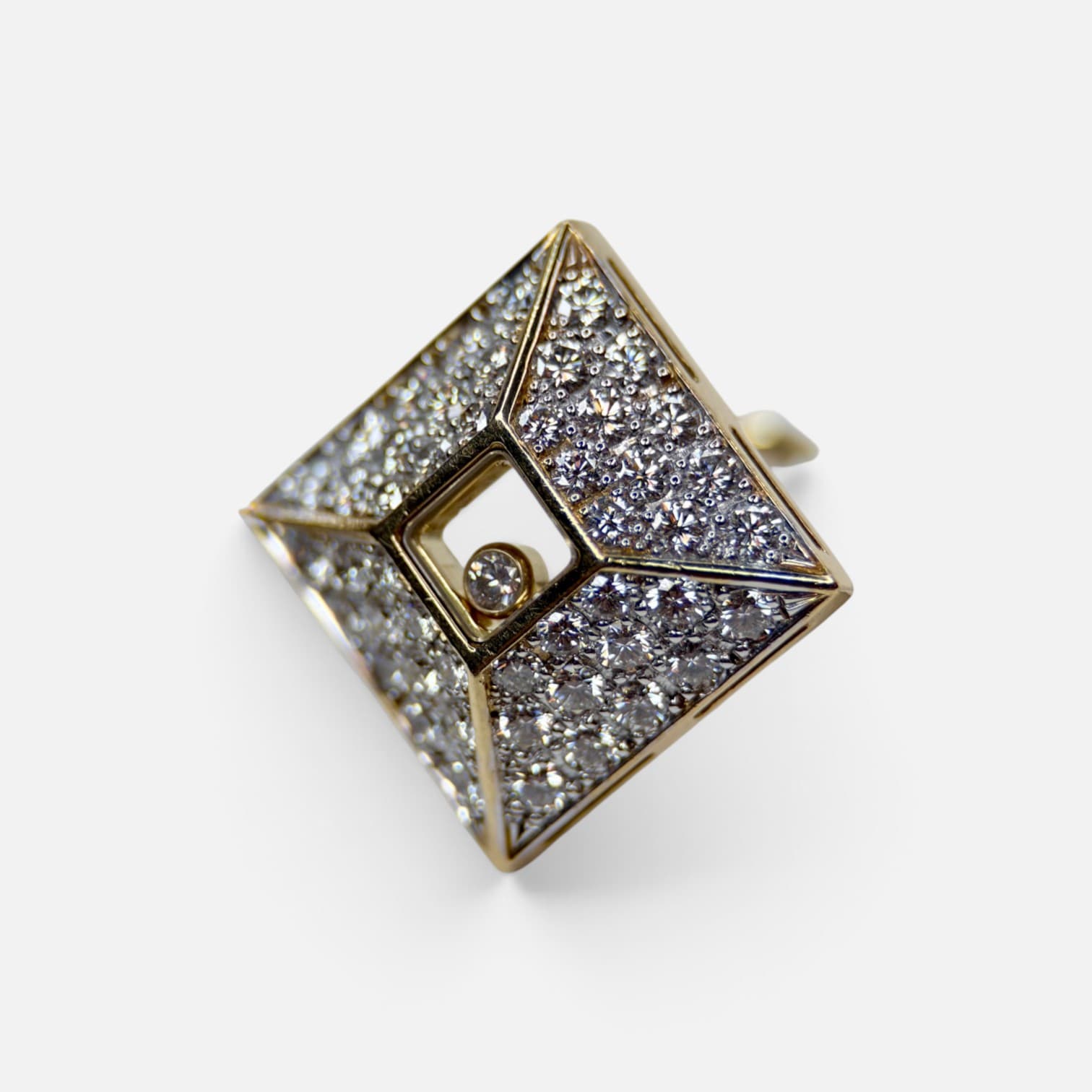
The Swiss maison Chopard, founded in 1860, is celebrated both for its watchmaking and its jewelry — and for one brilliant idea in particular. Its Happy Diamonds collection sets diamonds loose to float freely between two sapphire crystals, so they dance and sparkle with every movement. The playful Happy Hearts pieces and Chopard's glamorous red-carpet high jewelry have made it a fixture at the Cannes Film Festival, of which it is the longtime partner.
Roberto Coin
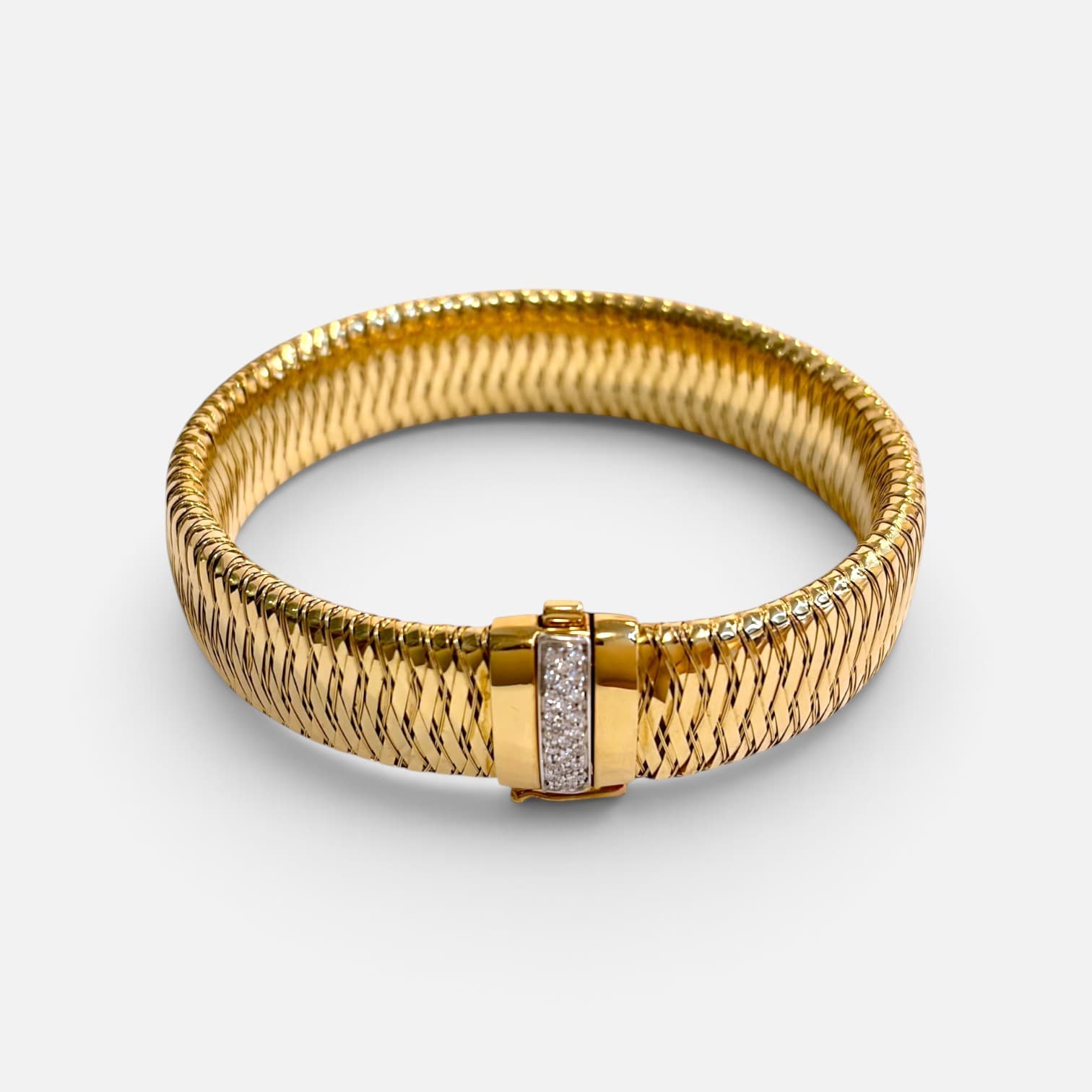
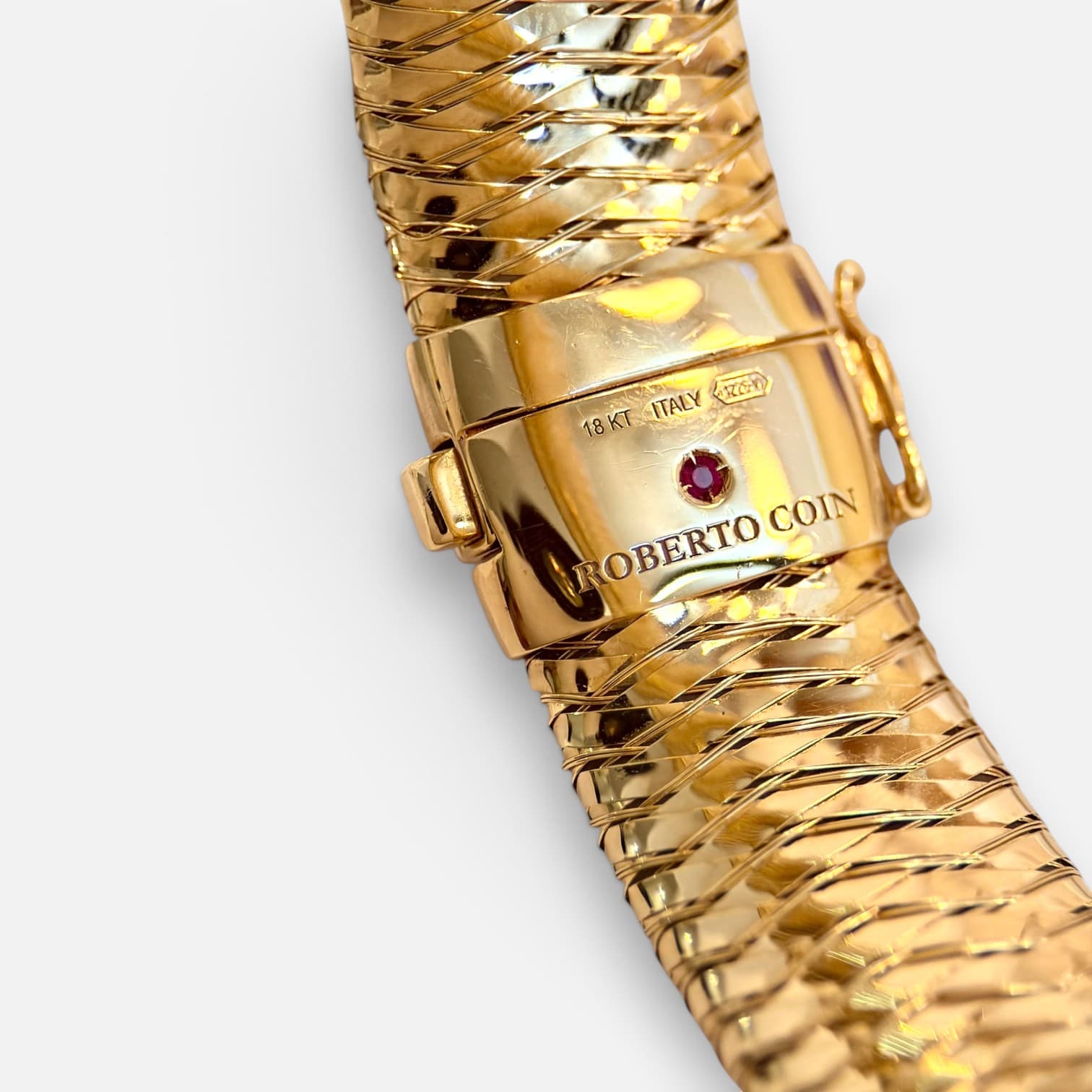
The Italian designer Roberto Coin built a house on a romantic secret: a tiny ruby, hidden on the inside of nearly every piece, set to touch the wearer's skin — a private signature said to bring good fortune. Beyond that charming trademark, Coin is known for masterful woven gold, seen in collections like Primavera and Appassionata, where 18-karat gold is worked to look and move like fabric. It's Italian craftsmanship with a wink of personality.
H. Stern
Brazil's most celebrated jeweler, H. Stern was founded in Rio de Janeiro in 1945 and helped bring the world's attention to Brazil's extraordinary colored gemstones. The house is known for a bold, sculptural, thoroughly modern sensibility — and for high-profile design collaborations — alongside a fearless use of color drawn from its home country's mines. An H. Stern piece pairs serious gemstones with genuinely contemporary design.
Boucheron
One of the grand old names of French jewelry, Boucheron was founded in 1858 and in 1893 became the very first jeweler to open on Paris's Place Vendôme — the address that still defines high jewelry. Innovative from the start, the house created its famous Question Mark necklace (a clasp-free design that curves around the neck) and later the geometric Quatre and the sinuous Serpent Bohème. Boucheron carries deep Place Vendôme heritage with a consistently inventive spirit.
Piaget
The Swiss house Piaget, founded in 1874, is revered for two things above all: astonishingly thin watch movements and a mastery of gold. From the 1960s and '70s, Piaget's goldsmiths turned out cuffs, coin-edge pieces, and vividly colored hard-stone and enamel dials that made gold itself the star. Collectors seek out Piaget's vintage gold jewelry for exactly that artistry, alongside signatures like the Possession collection with its playful spinning band.