Gold is the backbone of fine jewelry, but the numbers and colors can be confusing. A little background makes it easy to choose well and care for what you own.
What karat means
Karat measures purity out of 24. Pure gold is 24k, but it's too soft for everyday wear, so it's alloyed with other metals for strength. 18k (75% gold) balances richness and durability; 14k (about 58%) is harder and more affordable; 10k is the most durable and the least pure commonly sold.
Yellow, white, and rose
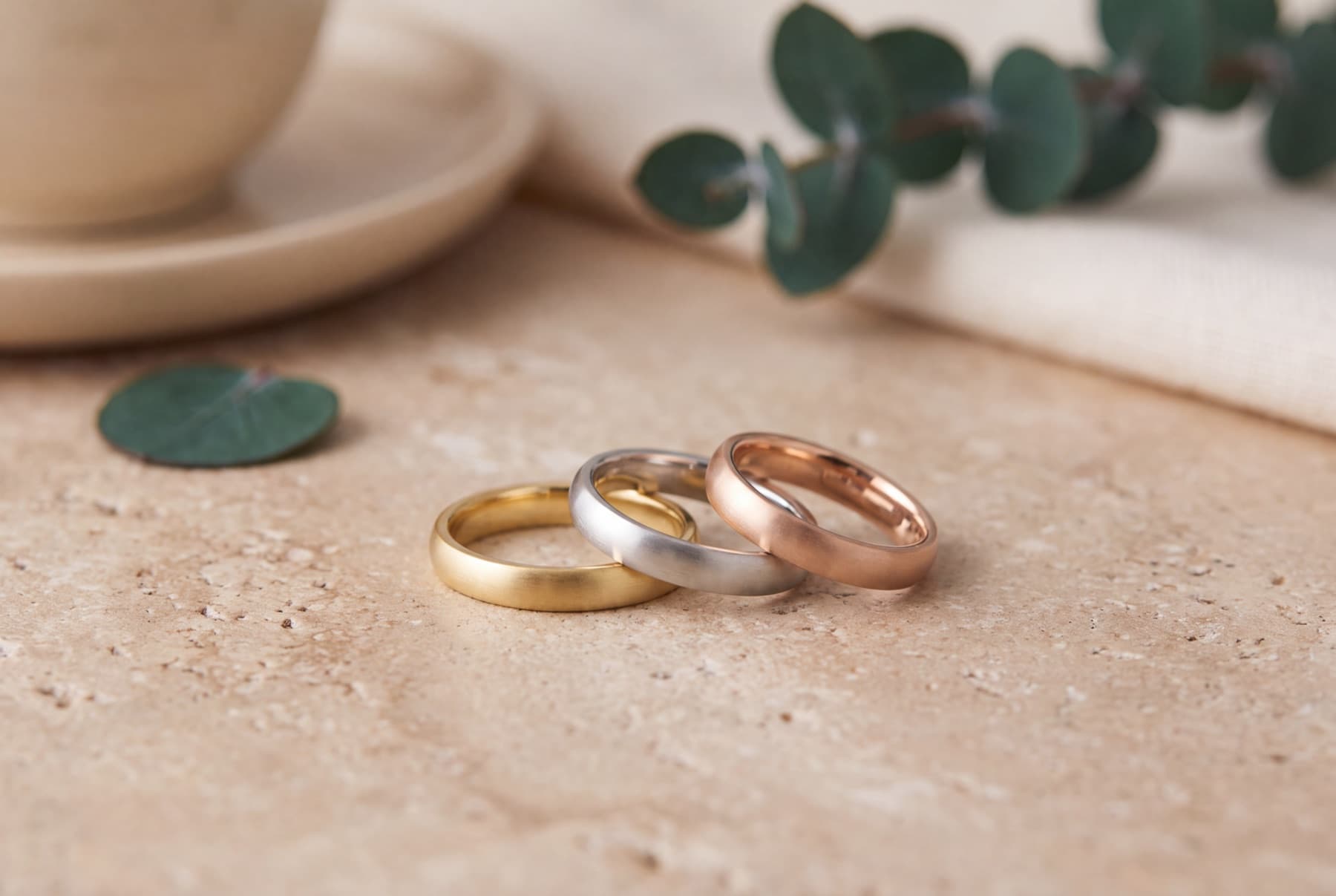
The color comes from the alloy. Yellow gold is the classic, warm and timeless. White gold is alloyed for a cool, silvery look and is often finished with rhodium. Rose gold gets its blush from added copper. All three can be the same karat — the purity is identical, only the color differs.
Why two yellow golds can look different
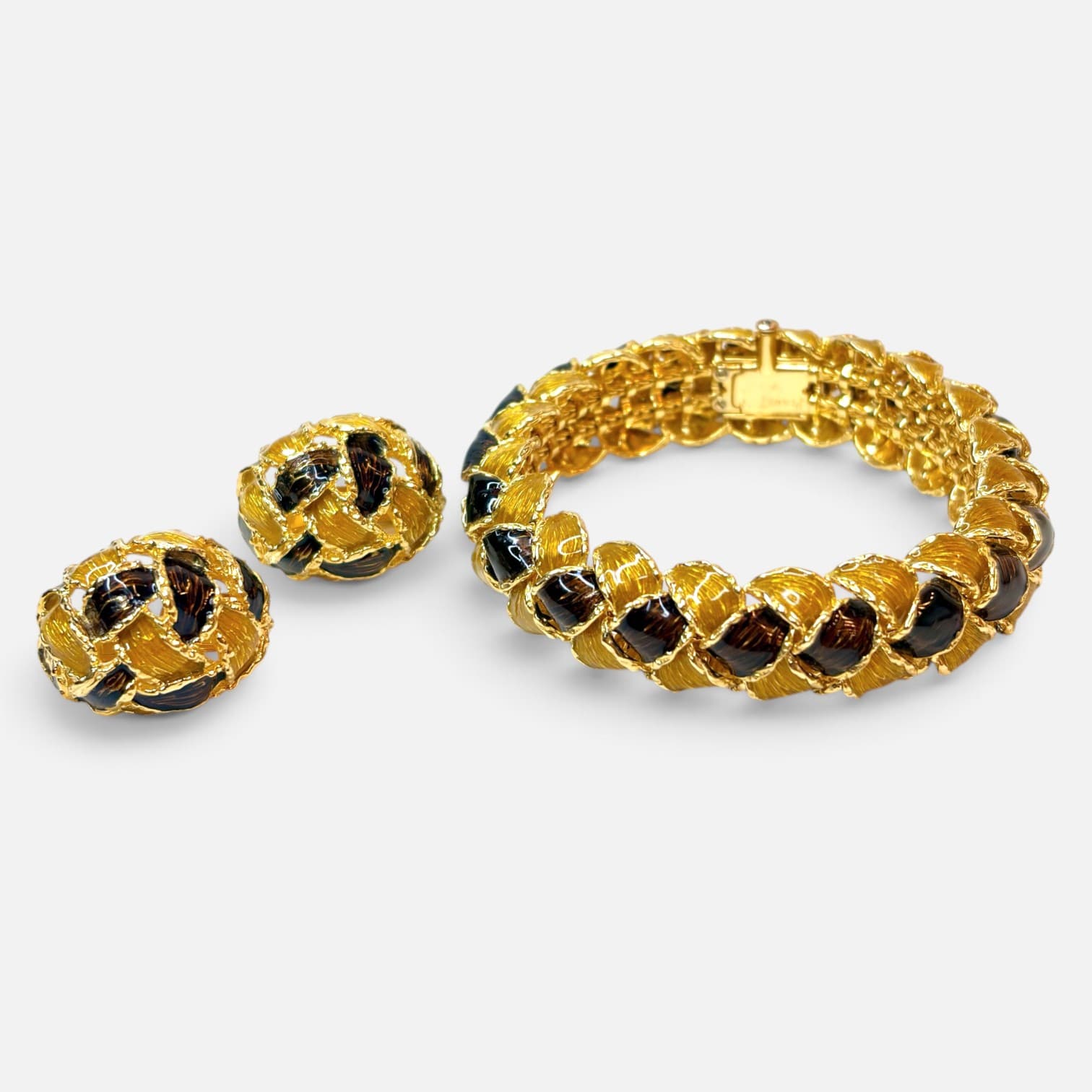
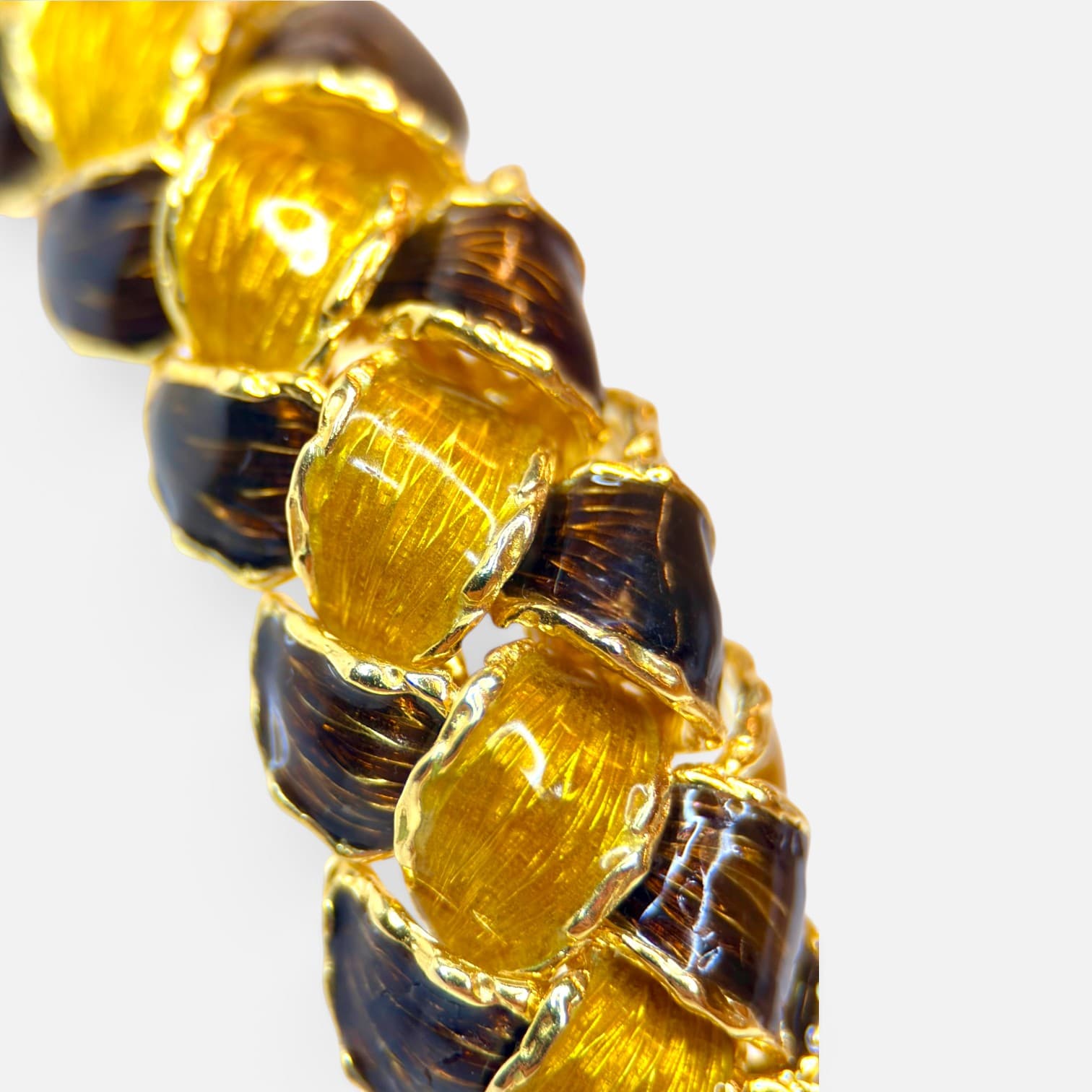
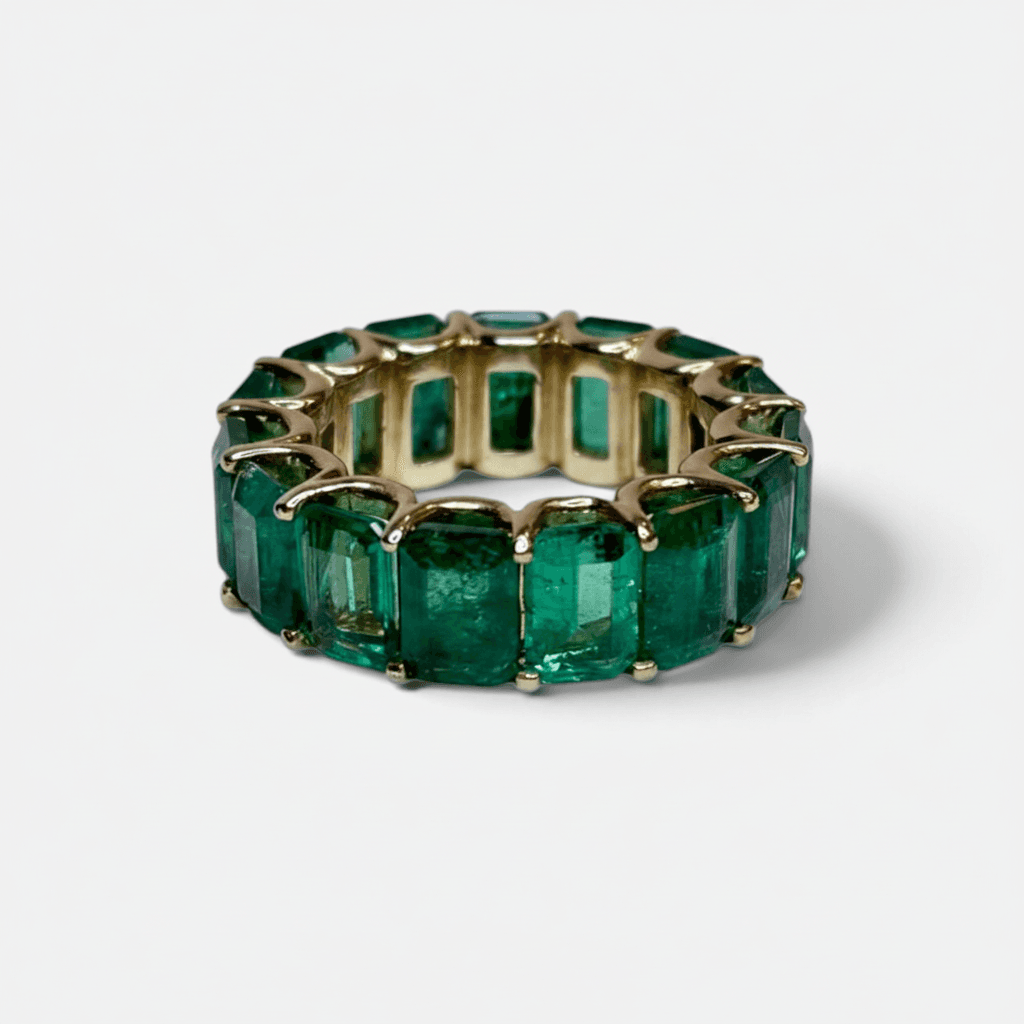
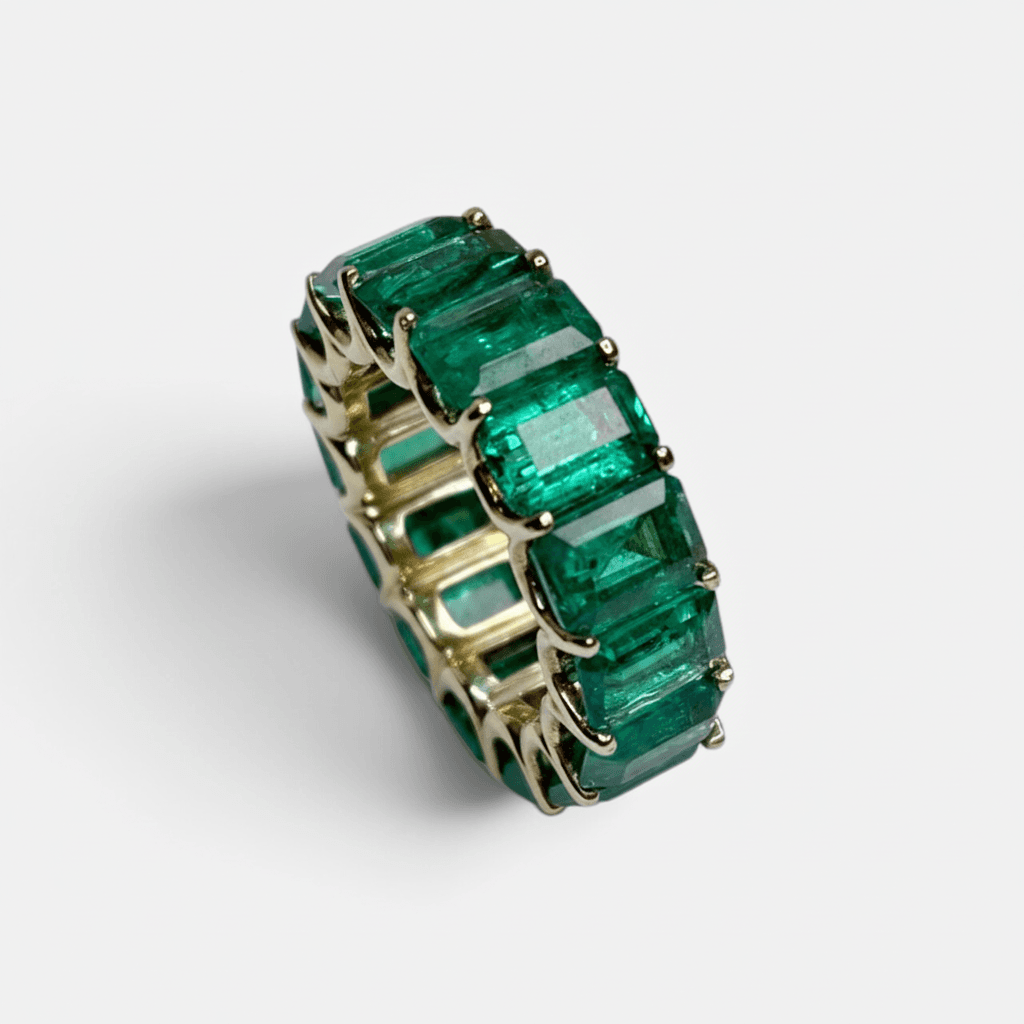
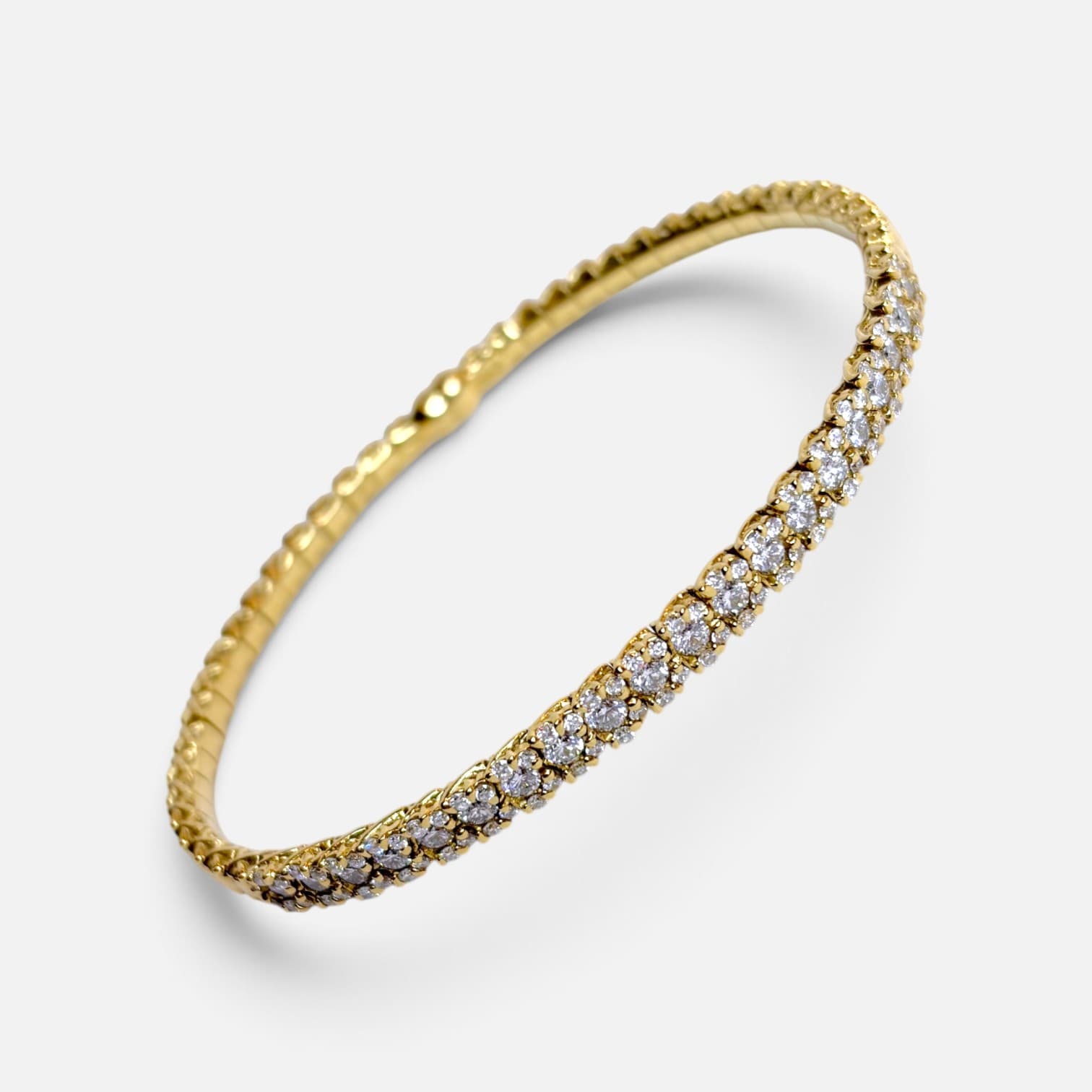
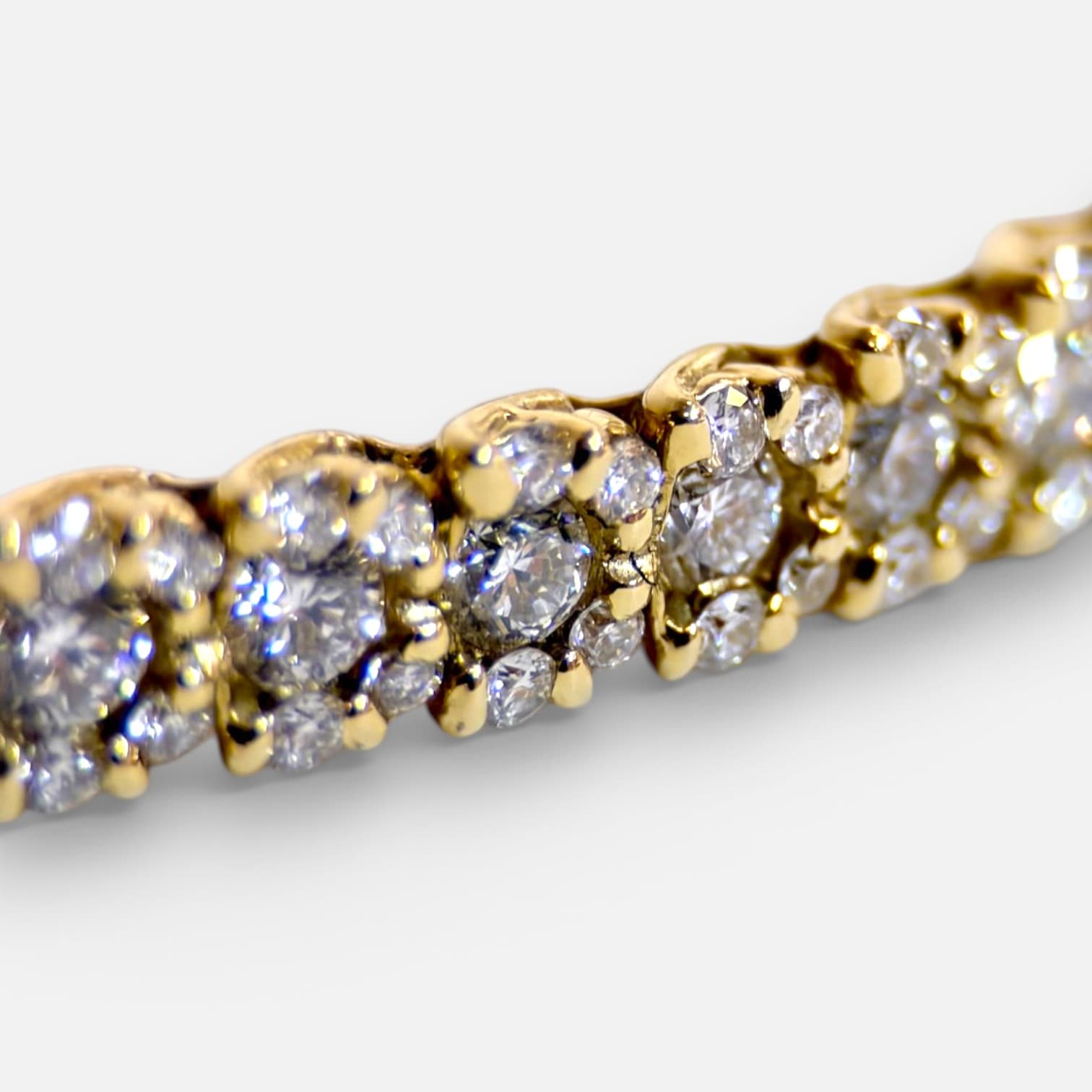
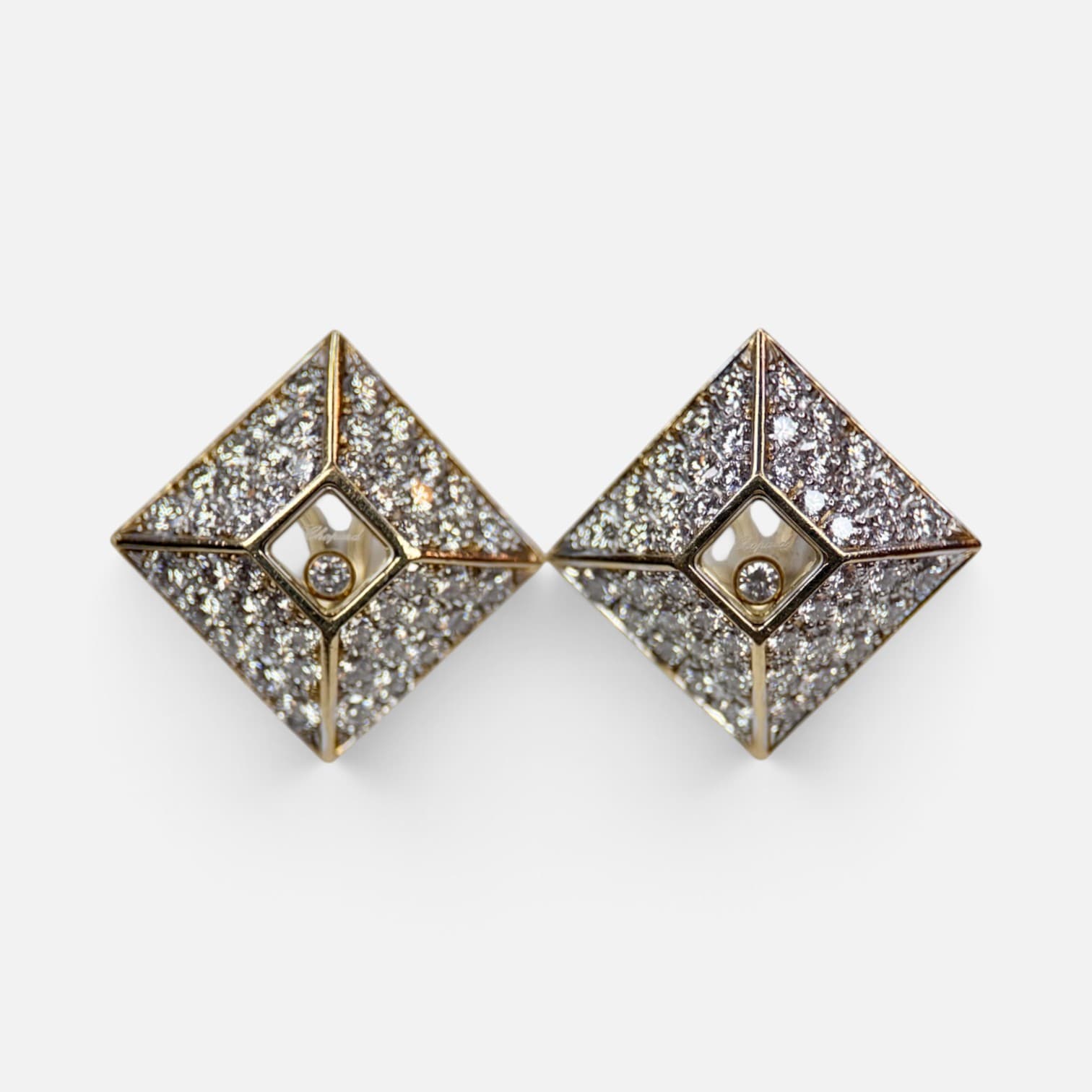
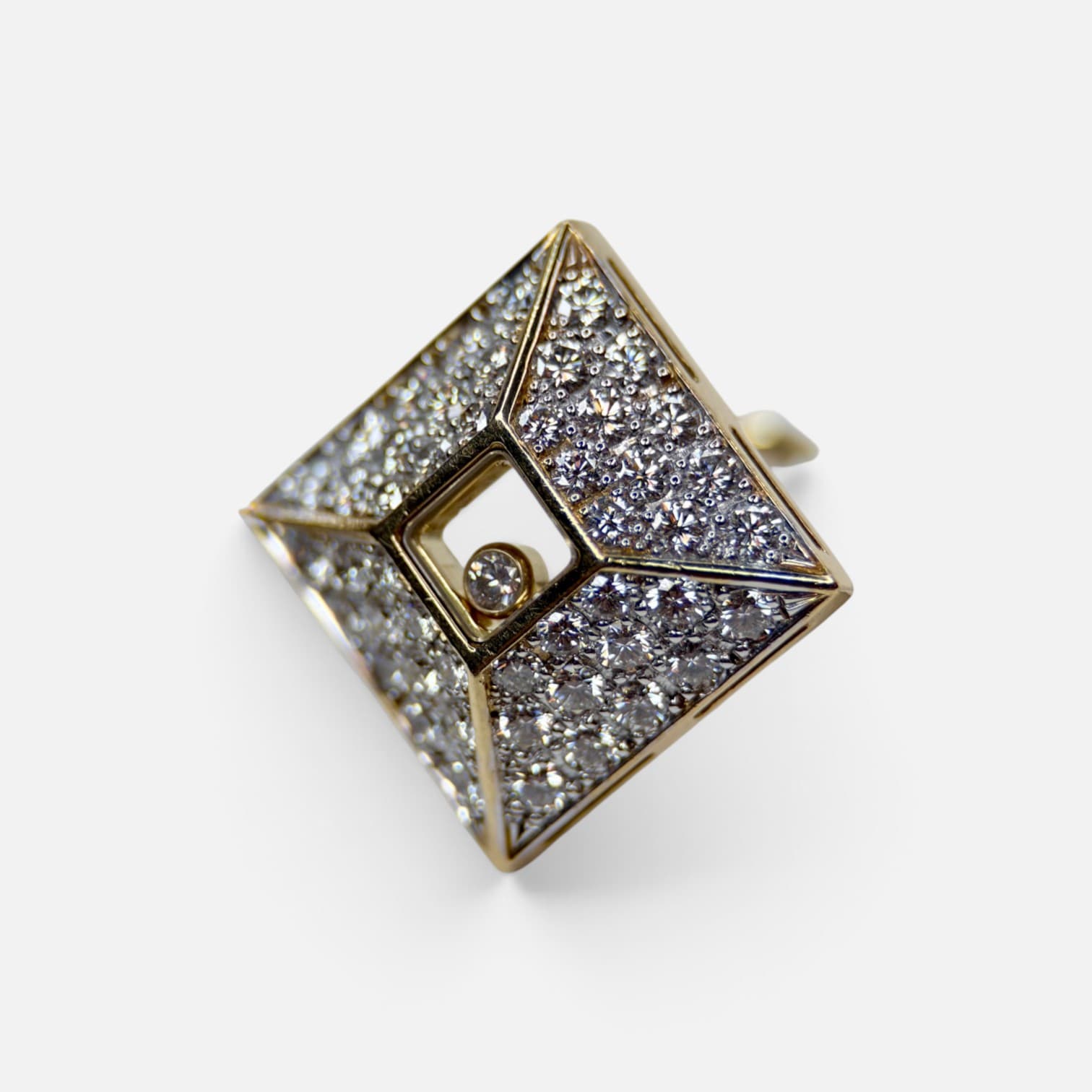
Here's a subtlety that surprises many buyers: two pieces can both be stamped 18k yellow gold and still look noticeably different — one bright and lemony, another deeper and more golden. The karat only fixes the amount of pure gold (75% for 18k). It's the other 25% that sets the tone, and jewelers can blend it however they like.
That remaining quarter is usually a mix of silver and copper, sometimes with a little zinc. More copper pushes the color warmer and richer — a deep, glowing yellow. More silver lightens it toward a cooler, paler, almost greenish yellow. Because each house mixes to its own recipe, brands develop a signature warmth: Italian gold often reads richer and warmer, while some other makers favor a lighter, brighter tone. It's also why the yellow of an estate piece can look warmer or more saturated than a modern one.
Karat plays a part too. Step up to 22k or 24k and there's simply more pure gold in the mix, so the color deepens toward an unmistakably rich, orange-tinged yellow. None of this is a matter of quality — it's simply the alloy, and it's worth seeing a piece in person to find the tone you love.
Caring for gold
Gold is resilient but not indestructible. Take pieces off before cleaning, swimming, or heavy activity. Clean gently with warm water, a drop of mild soap, and a soft brush. Store pieces separately so they don't scratch one another, and have prongs checked periodically on anything you wear daily.