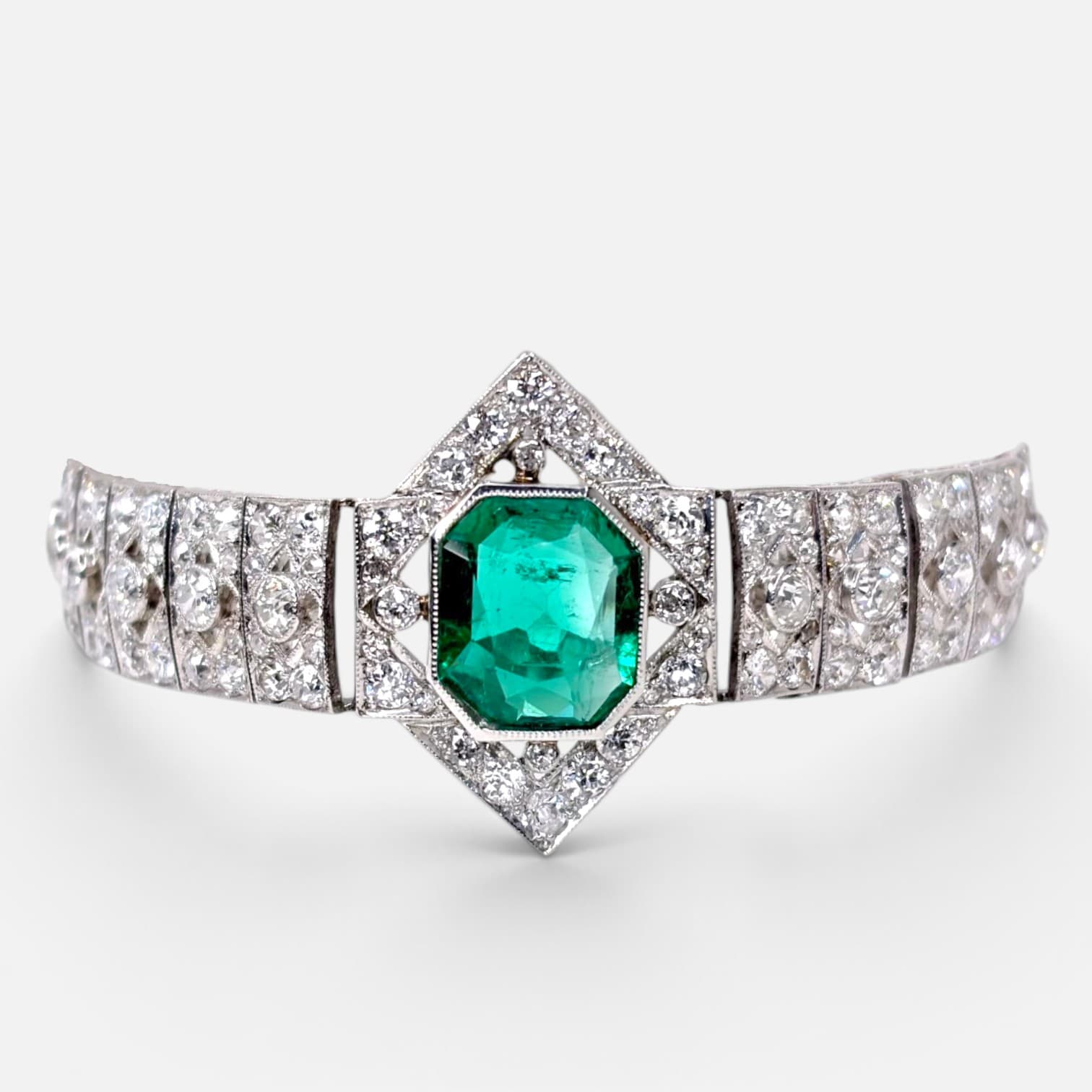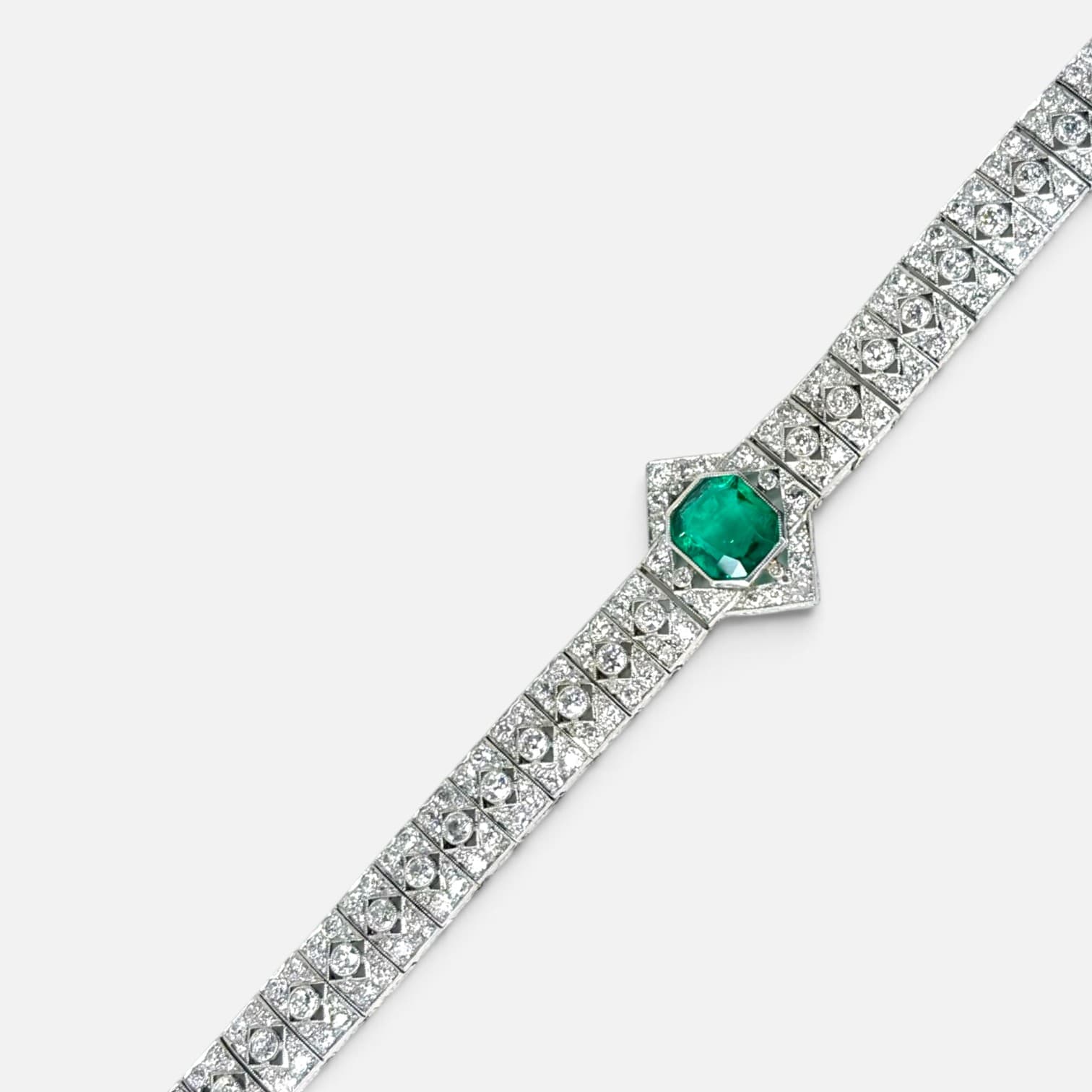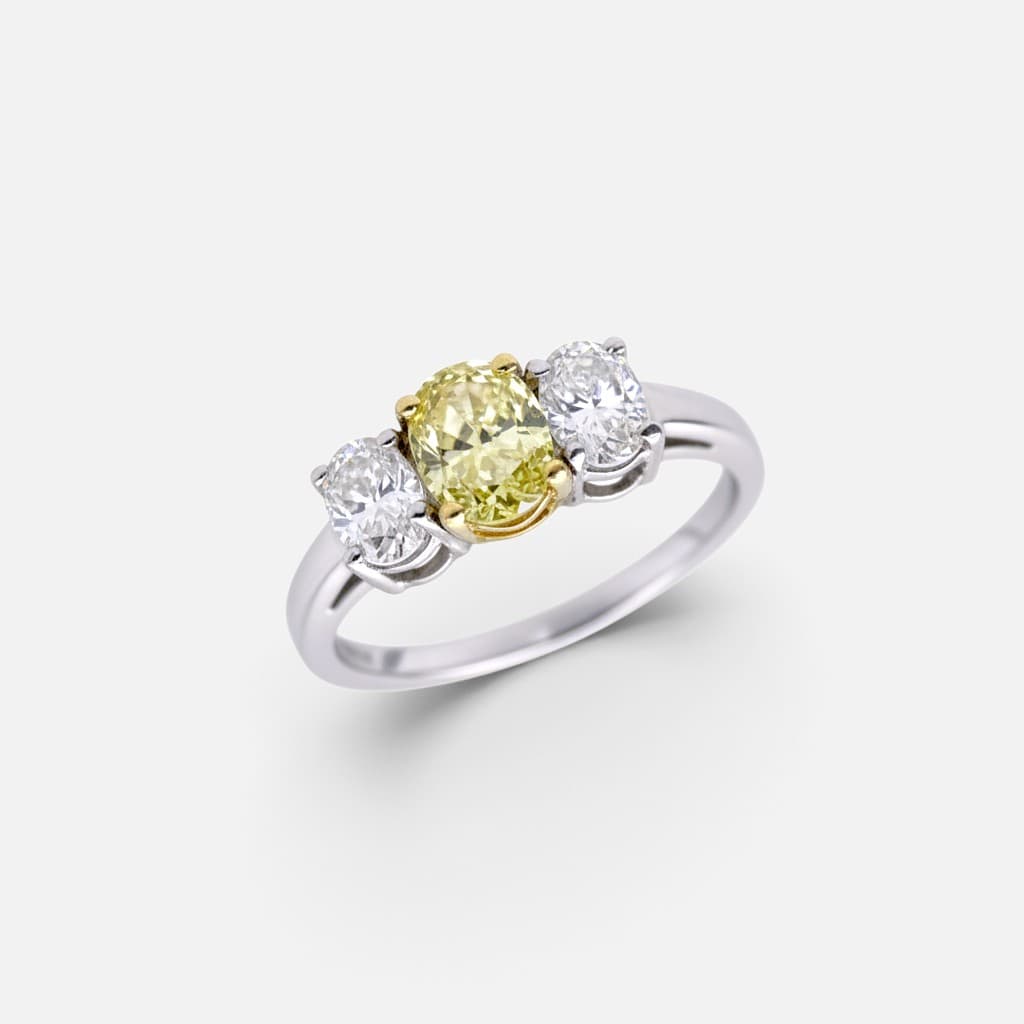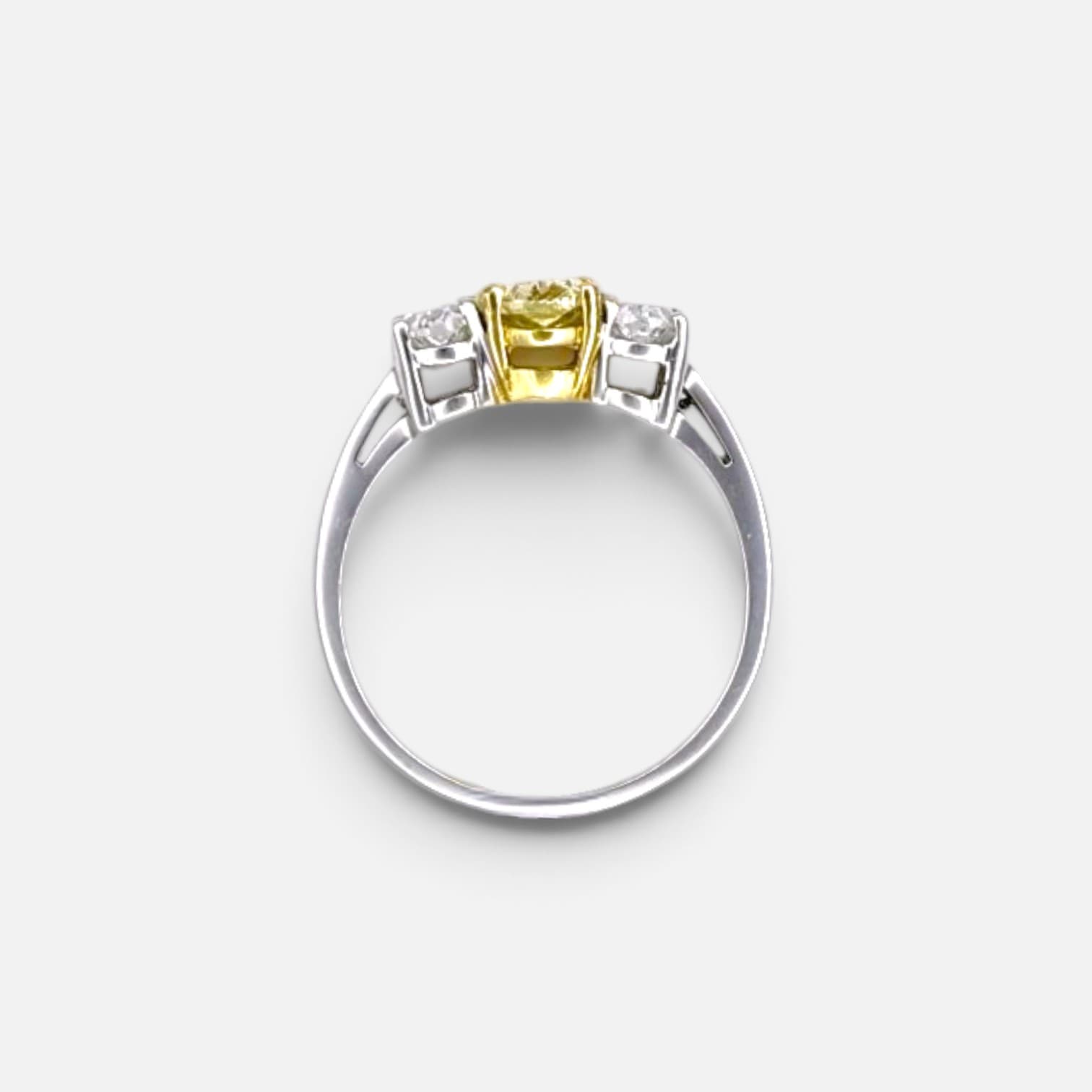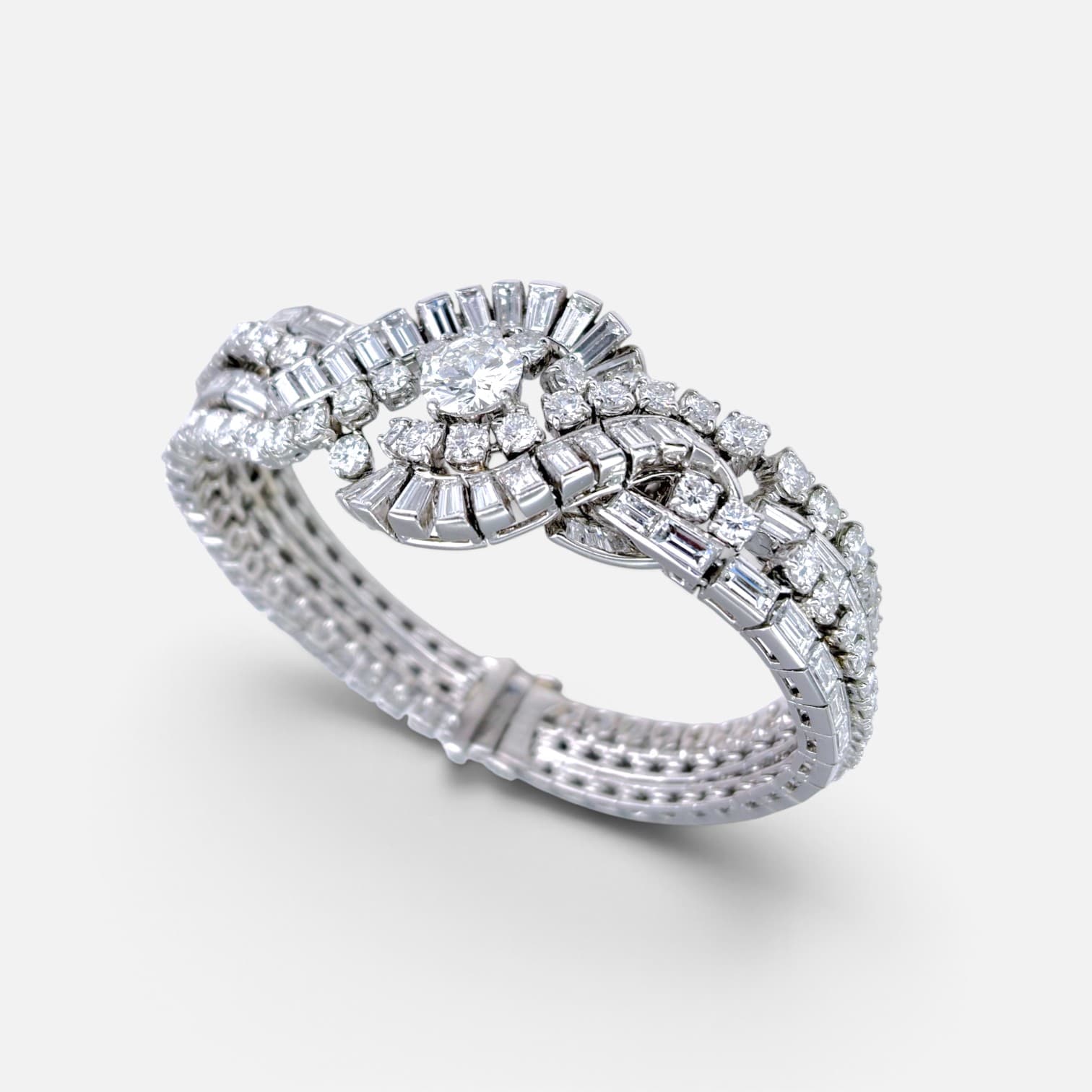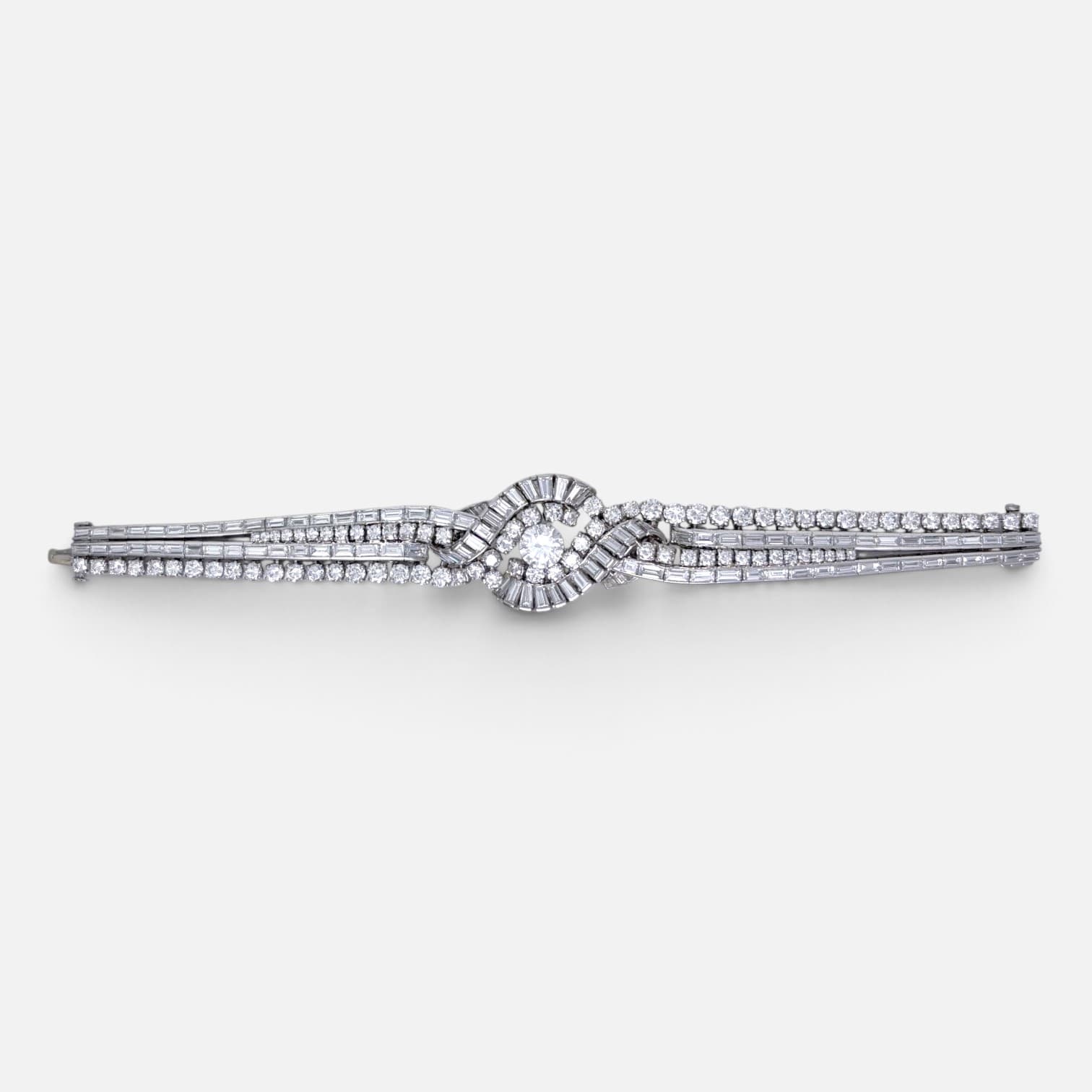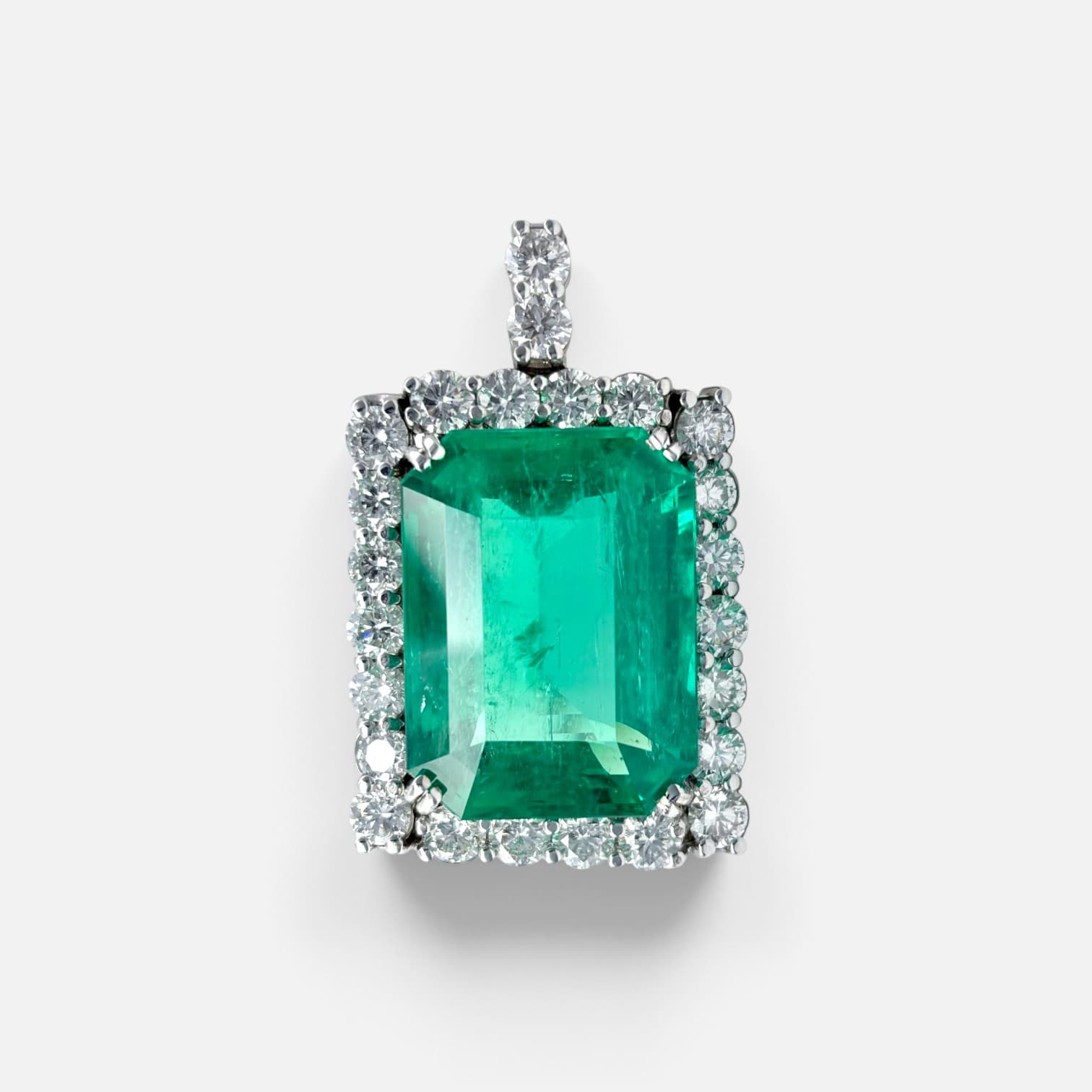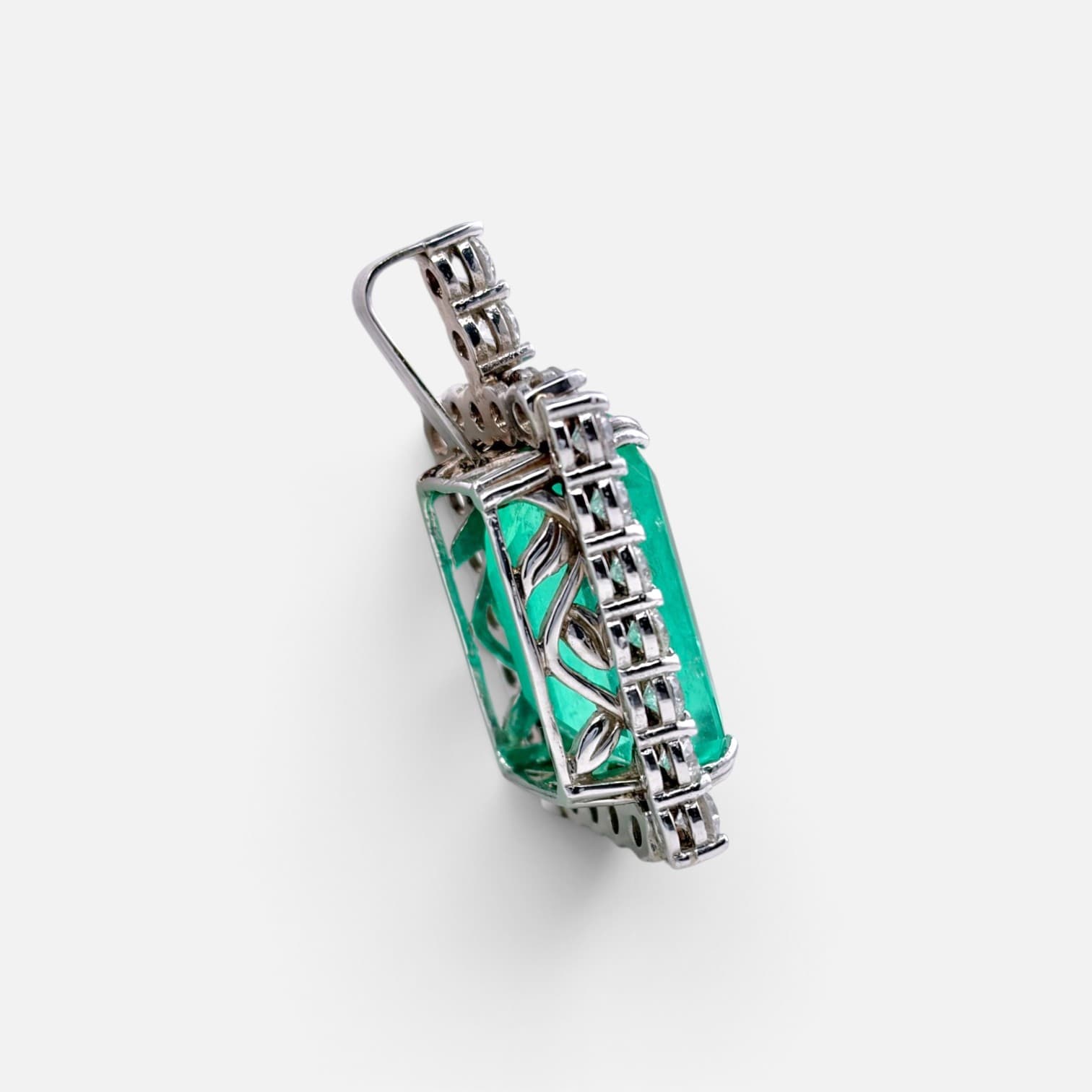
Fine gems are graded in two different languages. A diamond is measured against the 4 Cs — a precise, almost numerical framework. A colored stone is judged more by the eye: by its color, its character, and often where it came from. Both, at their best, can come with an independent laboratory report, and two names matter most — the GIA for diamonds and the AGL for colored stones.
The Four Cs, for diamonds
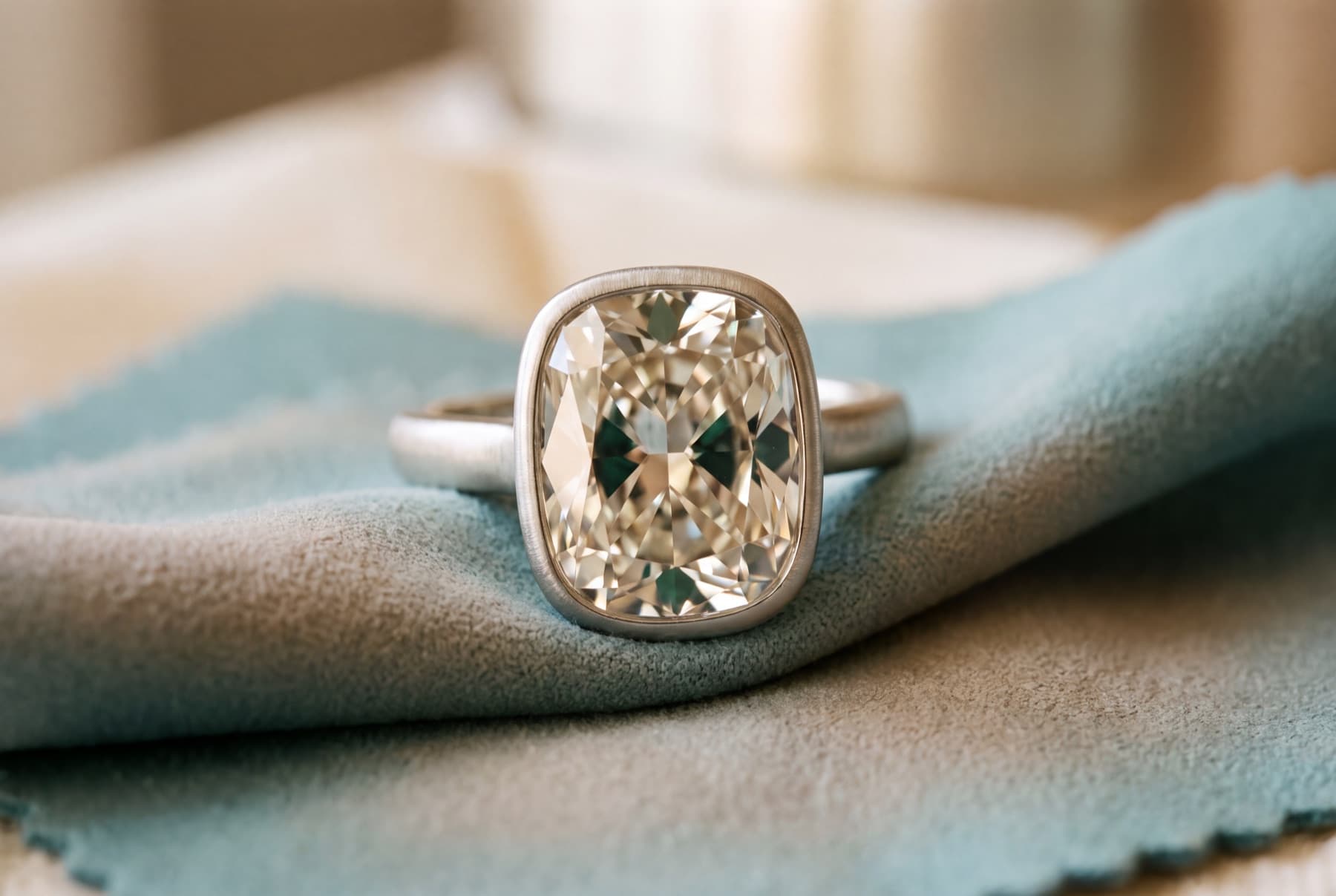
For a diamond, four qualities tell the story. Cut — how well a stone's facets are proportioned to return light — is the most important and the most underrated; a well-cut diamond sparkles, while a poorly cut one looks dull at any size. If you prioritize one C, make it cut.
Color grades how colorless a white diamond is, from D (completely colorless) down through the alphabet as faint warmth appears; neighboring grades are nearly invisible once a stone is set, especially in yellow gold. Clarity describes the tiny natural inclusions in almost every diamond — rather than chase a flawless grade, look for a stone that is "eye-clean," its inclusions invisible without magnification. Carat, finally, is weight rather than size: because price climbs sharply at round weights, a stone just under a milestone can offer nearly the same presence for noticeably less.
What a GIA report adds
When a diamond comes with a report from the GIA — the Gemological Institute of America, the non-profit laboratory that created the 4 Cs in the first place — it carries independent assurance. The report grades cut, color, clarity, and carat objectively, by trained graders with no stake in the sale, and lets you compare any two GIA-graded stones on equal terms.
GIA is also known as the strictest of the major diamond labs, so its grades tend to be conservative and dependable. A report doesn't make a diamond beautiful — the stone does that — but it confirms, from a neutral authority, exactly what you're looking at.
Colored stones play by different rules
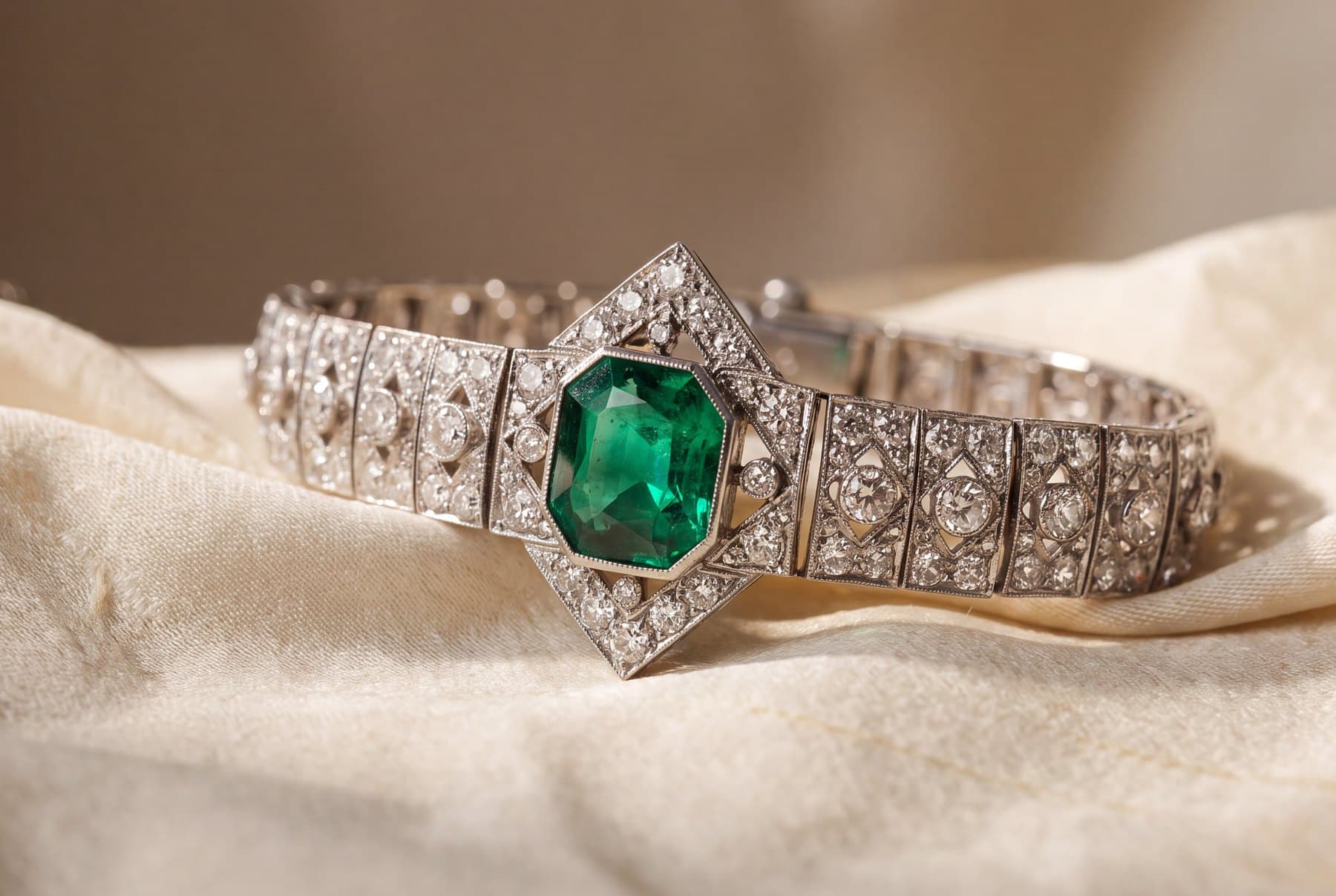
The 4 Cs don't translate cleanly to a sapphire, ruby, or emerald. For a colored stone, color is king — its hue, how light or dark it is, and how vivid. Clarity is judged on a far gentler curve: an emerald is expected to carry inclusions, and a flawless one would raise suspicion rather than command a premium.
And two qualities a diamond grade never mentions move to the center. One is treatment — how, and how much, a stone has been enhanced. The other is origin: where a stone was mined can matter as much to its value as the stone itself, and it takes a specialist to determine.
What an AGL report adds
For colored stones, the report to know is the AGL — American Gemological Laboratories, the lab most trusted for sapphires, rubies, and emeralds. Where a GIA report speaks in the diamond 4 Cs, an AGL report describes a colored stone's color in careful detail, notes any clarity enhancement and its type (on an emerald, the phrase "minor, traditional" is a good sign), and confirms that the color is natural rather than treated.
On the finest stones it goes further and identifies a country of origin — Colombian, Burmese, Kashmir — a distinction that can lift a stone's value considerably. An AGL report is, in short, the colored-stone equivalent of a GIA diamond report: the same independent authority, in the language the stone actually requires.
When a stone has a report — and when it doesn't
Many beautiful gems carry no report at all, especially estate and vintage stones cut and set long before modern labs existed — and they are no less lovely for it. Where a piece comes with a GIA or AGL report, we note the lab and its findings plainly; where it doesn't, we're always glad to tell you everything we know about the stone.
A report is a welcome confirmation, not a replacement for judgment. Whether it's a diamond graded on the 4 Cs or an emerald measured by the AGL, the aim is the same: a stone that is honestly what it appears to be, and that looks beautiful in the setting — which, in the end, is the only place it is ever seen.