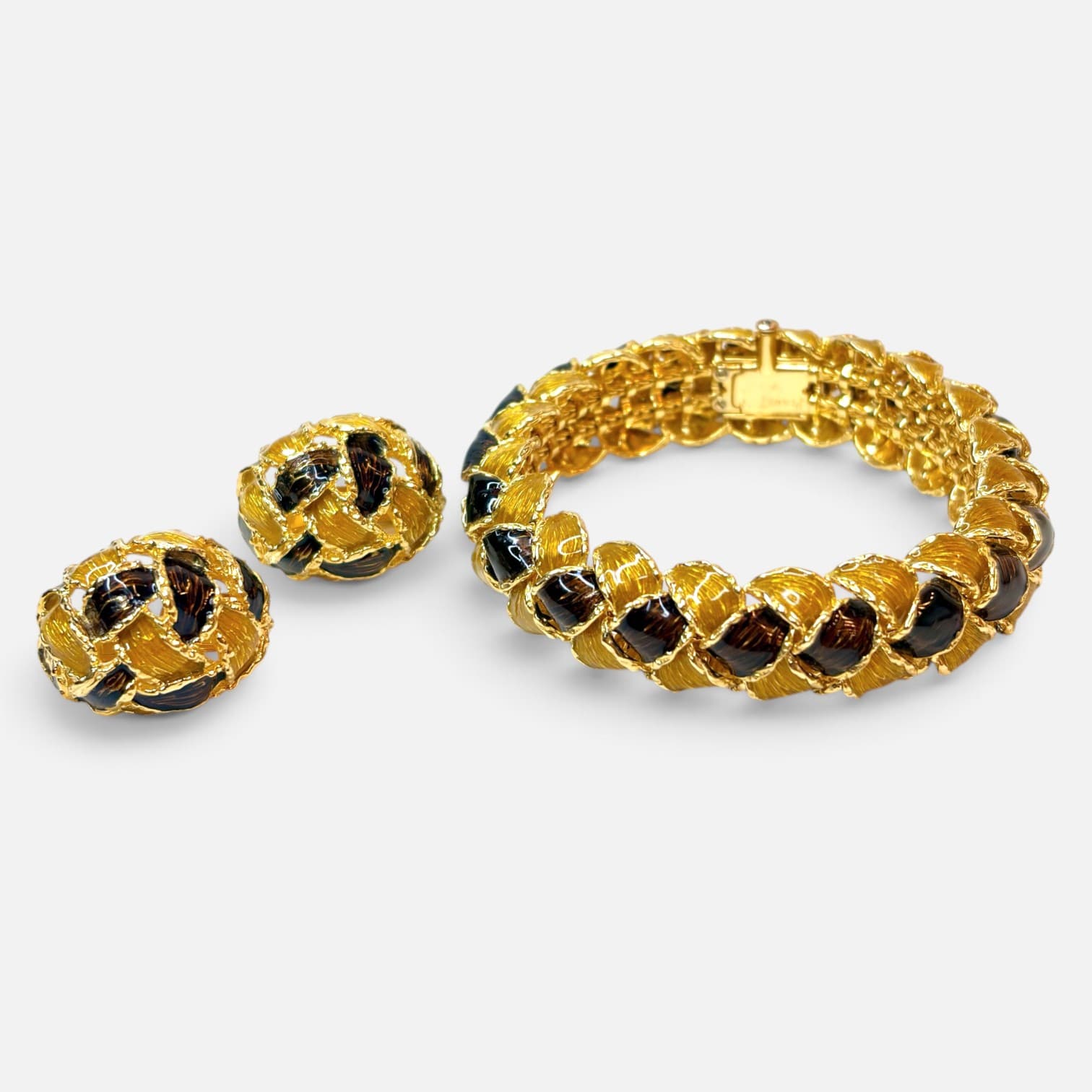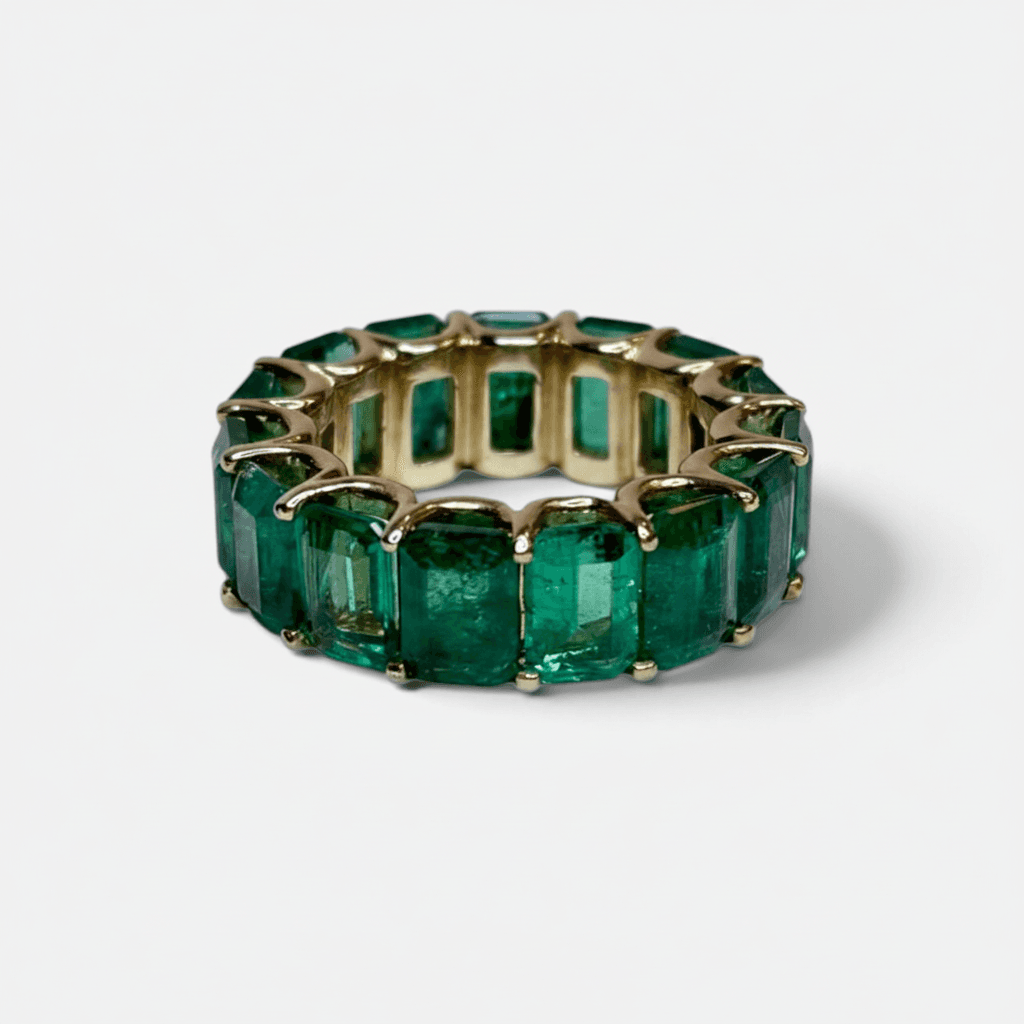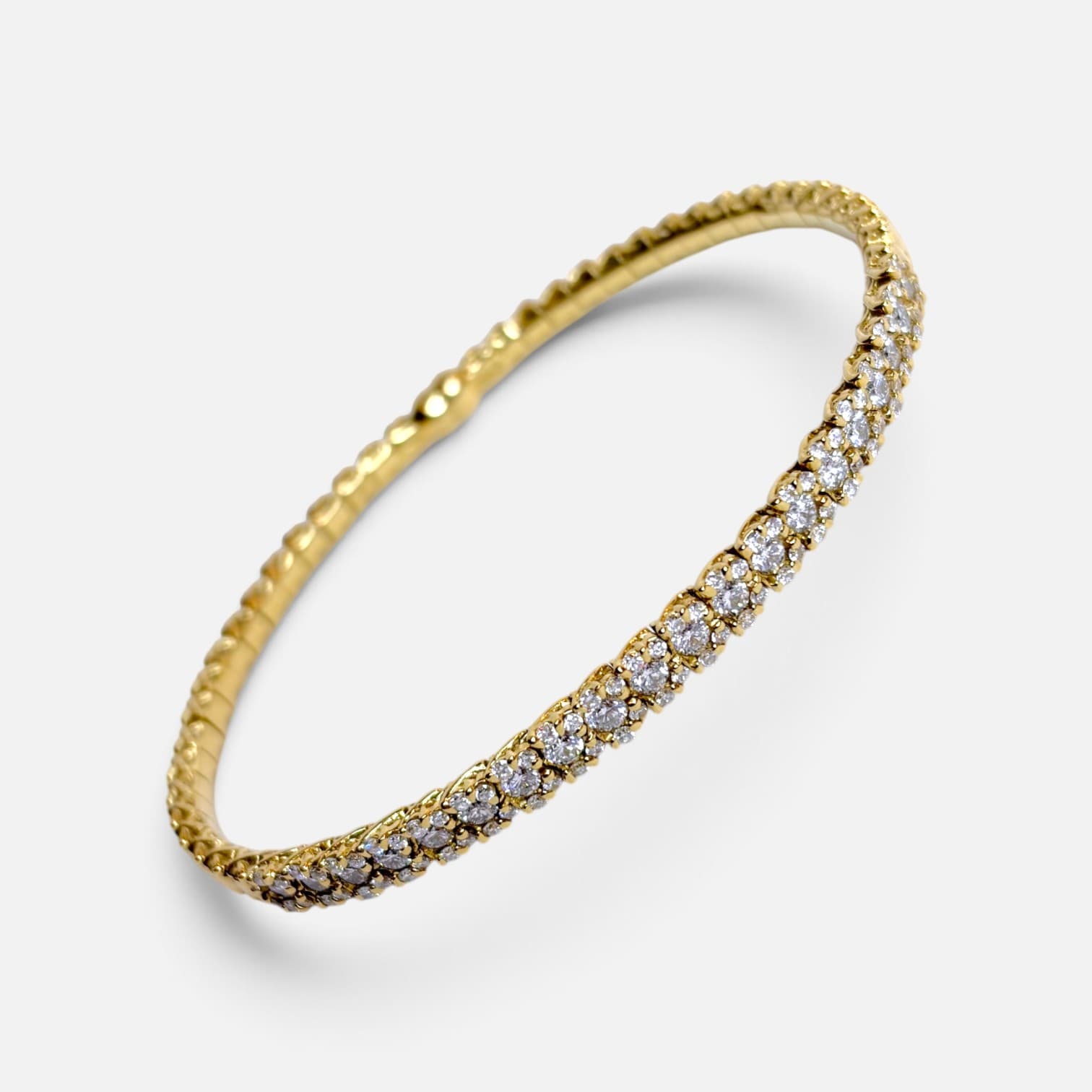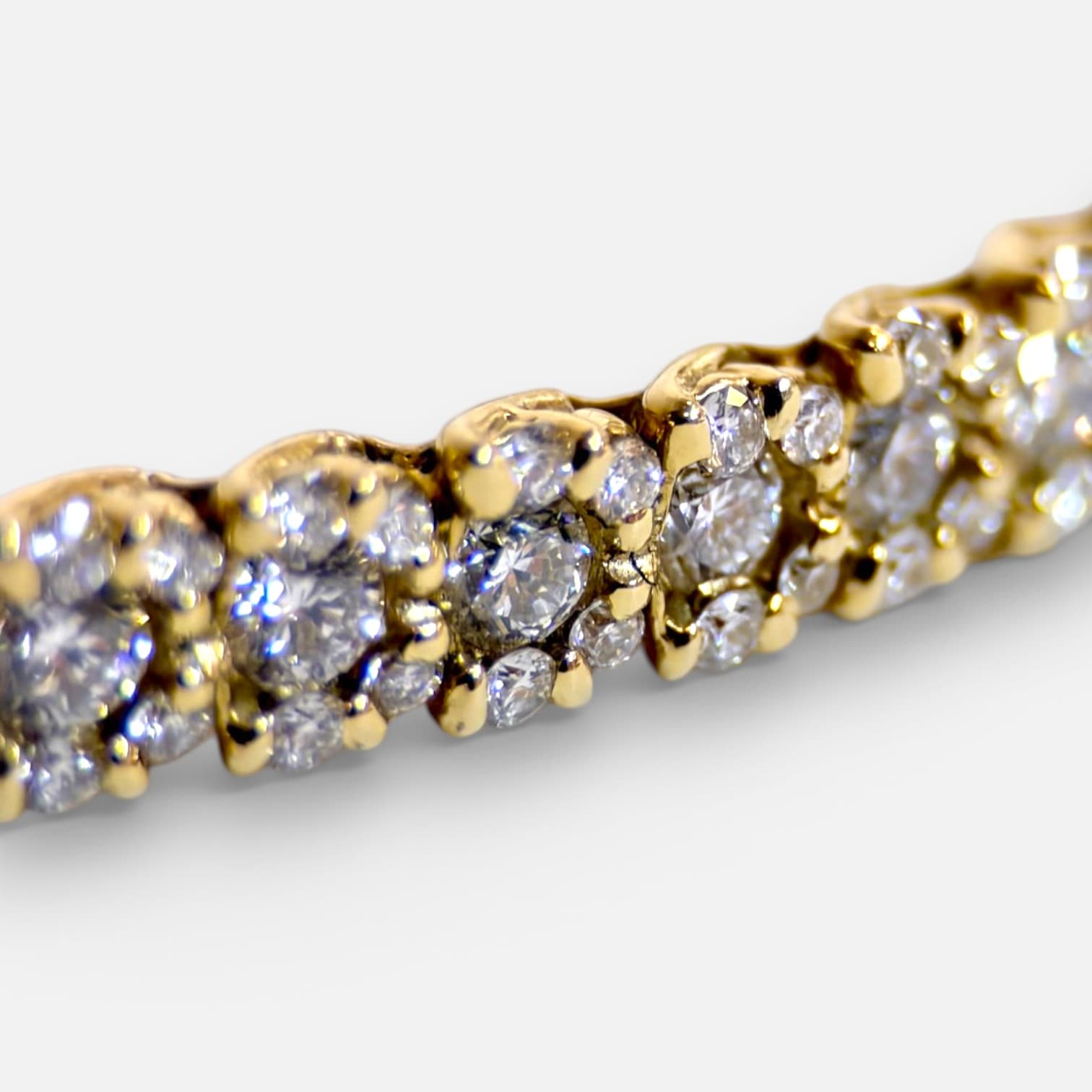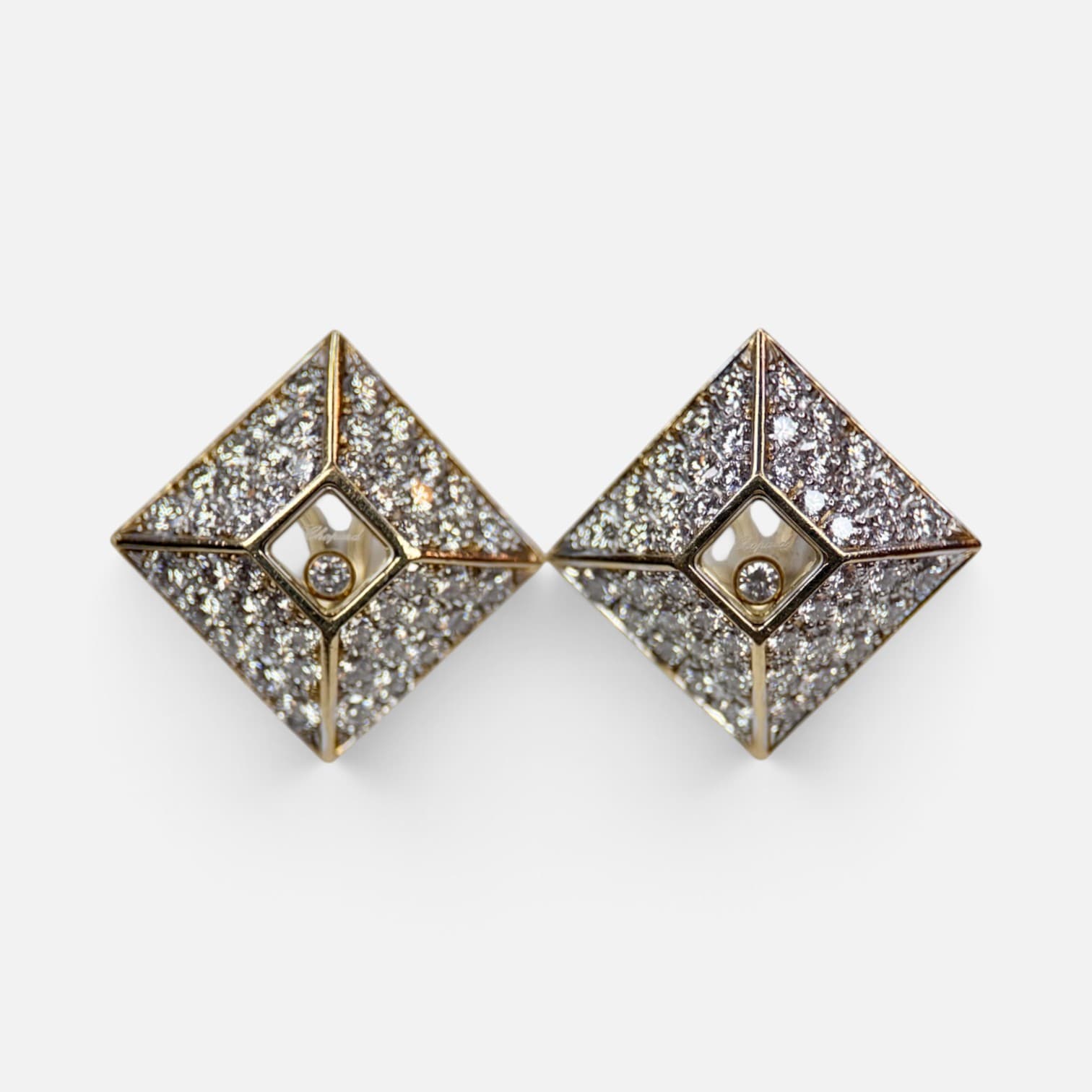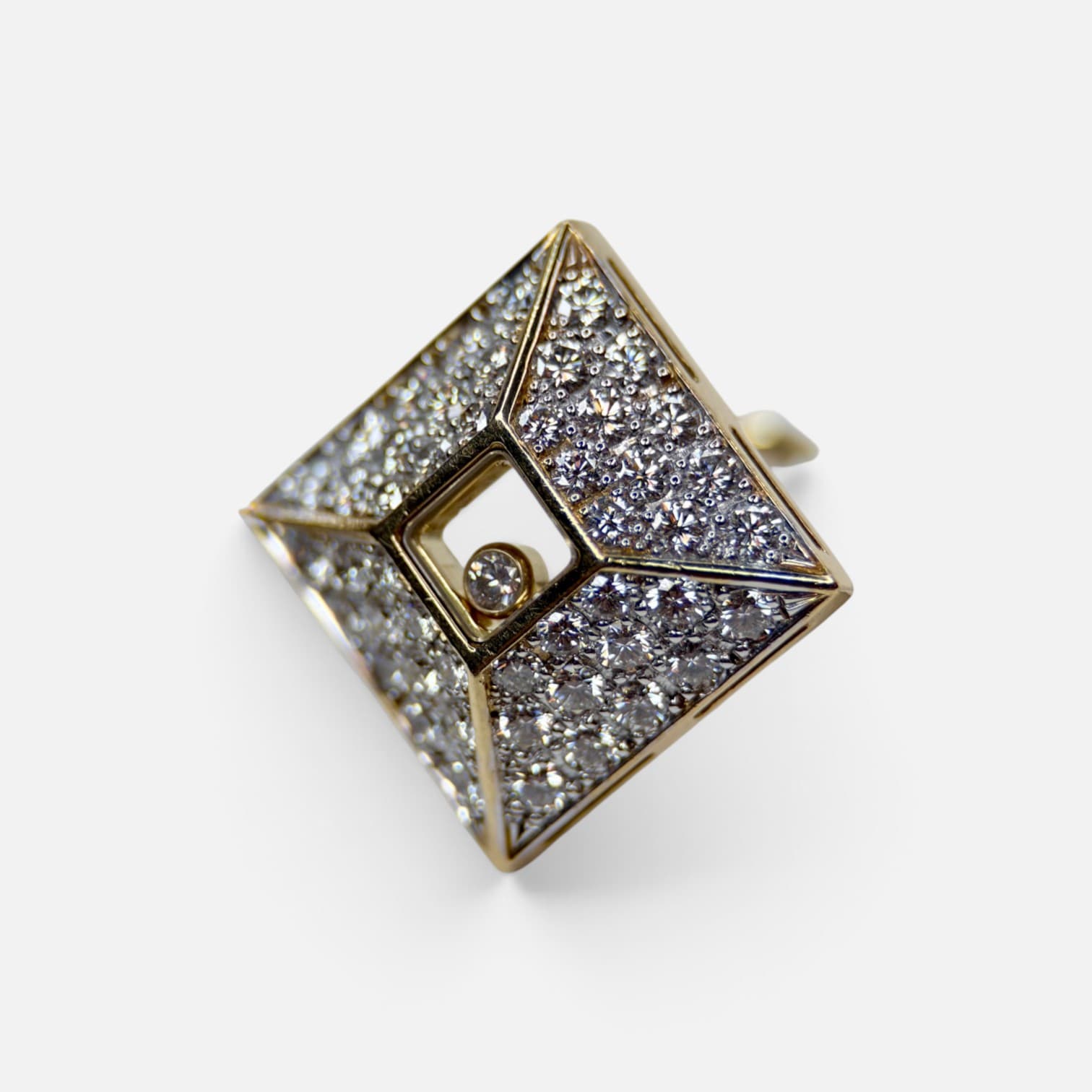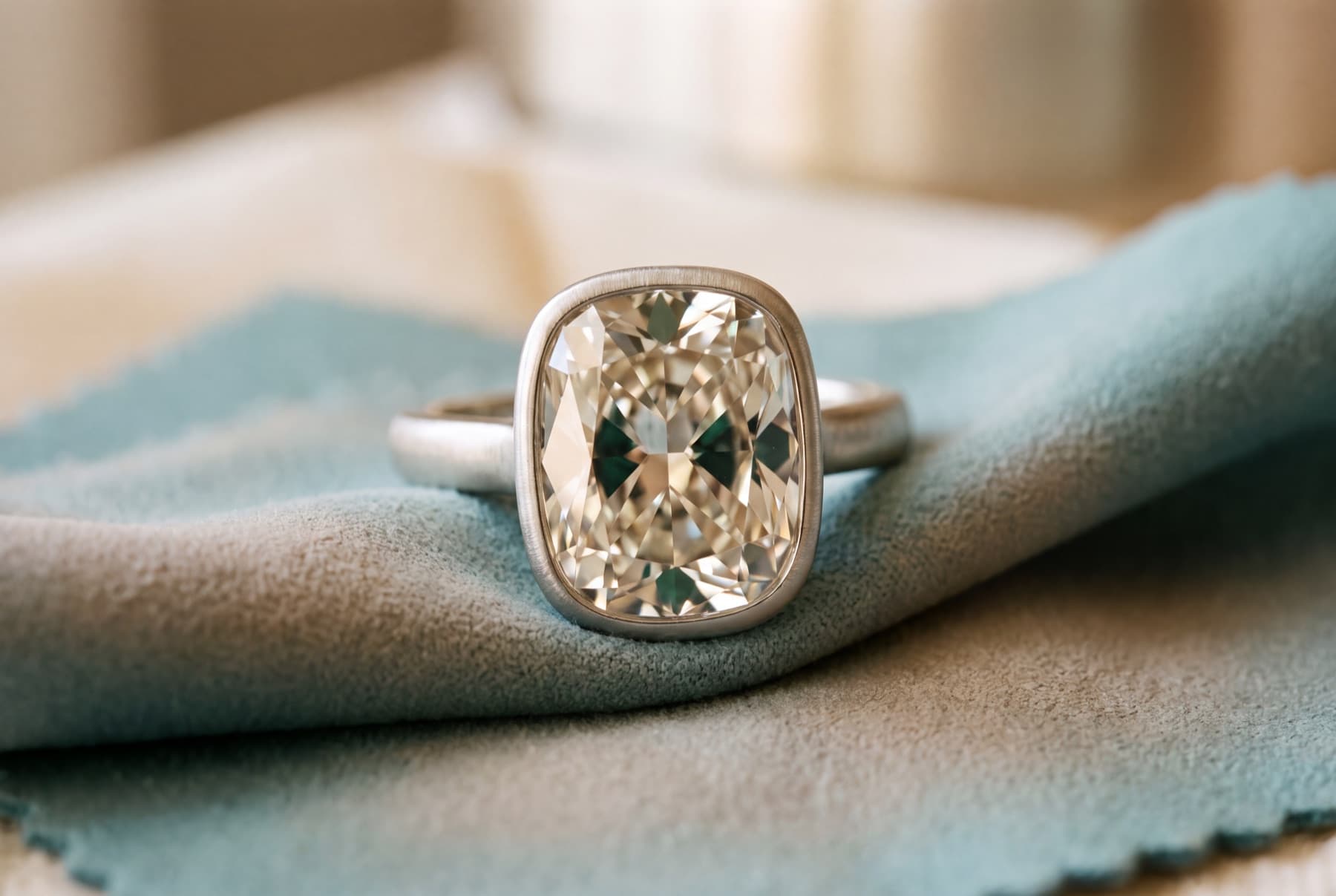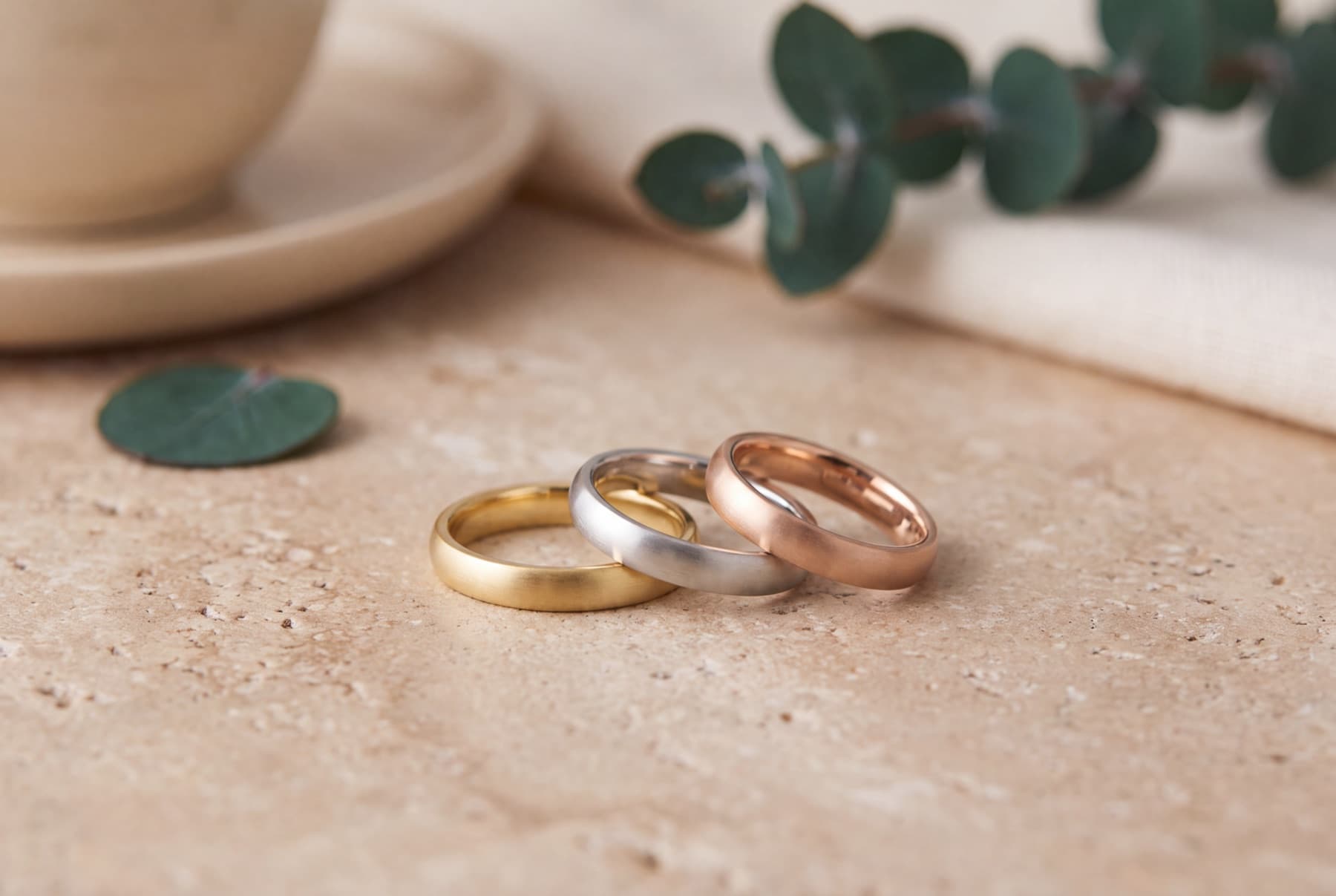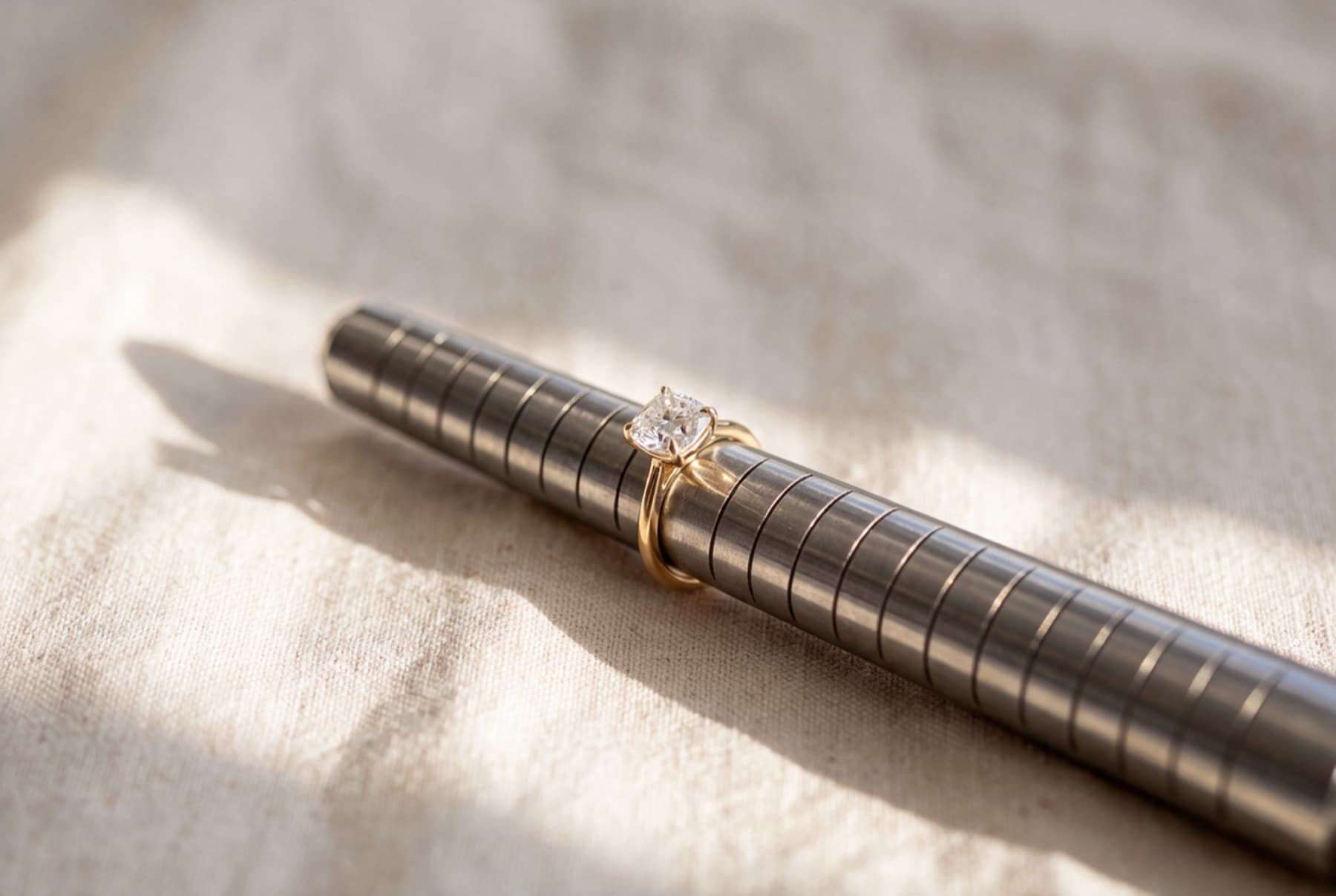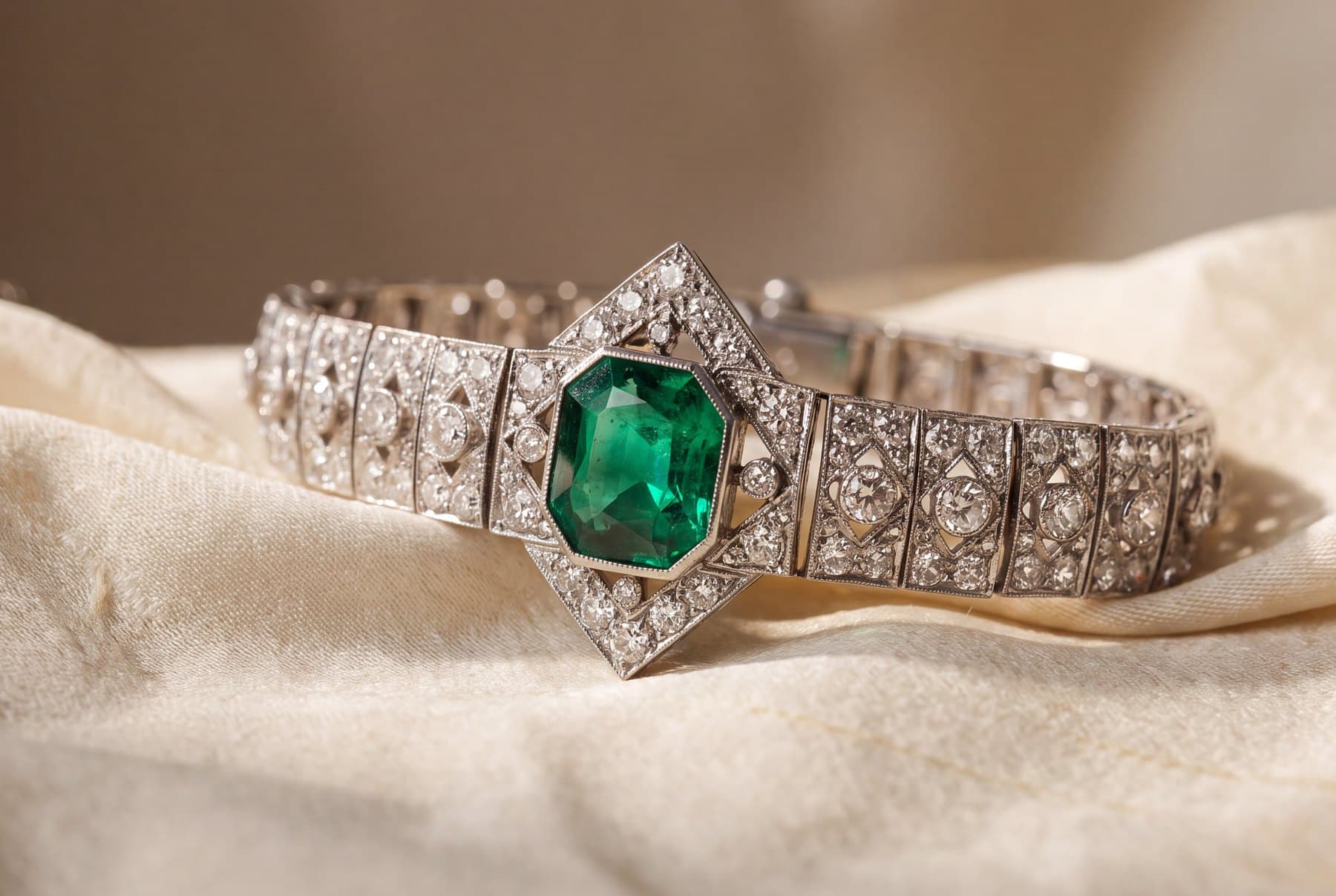
"Estate," "vintage," and "antique" get used interchangeably, but they aren't the same thing. Knowing the difference helps you understand exactly what you're looking at — and why one piece is described differently from another.
Estate vs. vintage vs. antique
Estate simply means previously owned — it says nothing about age. A piece made last year and sold on is technically estate jewelry.
Vintage generally refers to pieces roughly 20 to 100 years old, while antique is reserved for those over 100. Every antique is vintage and estate; not every estate piece is vintage or antique.
Why buy estate
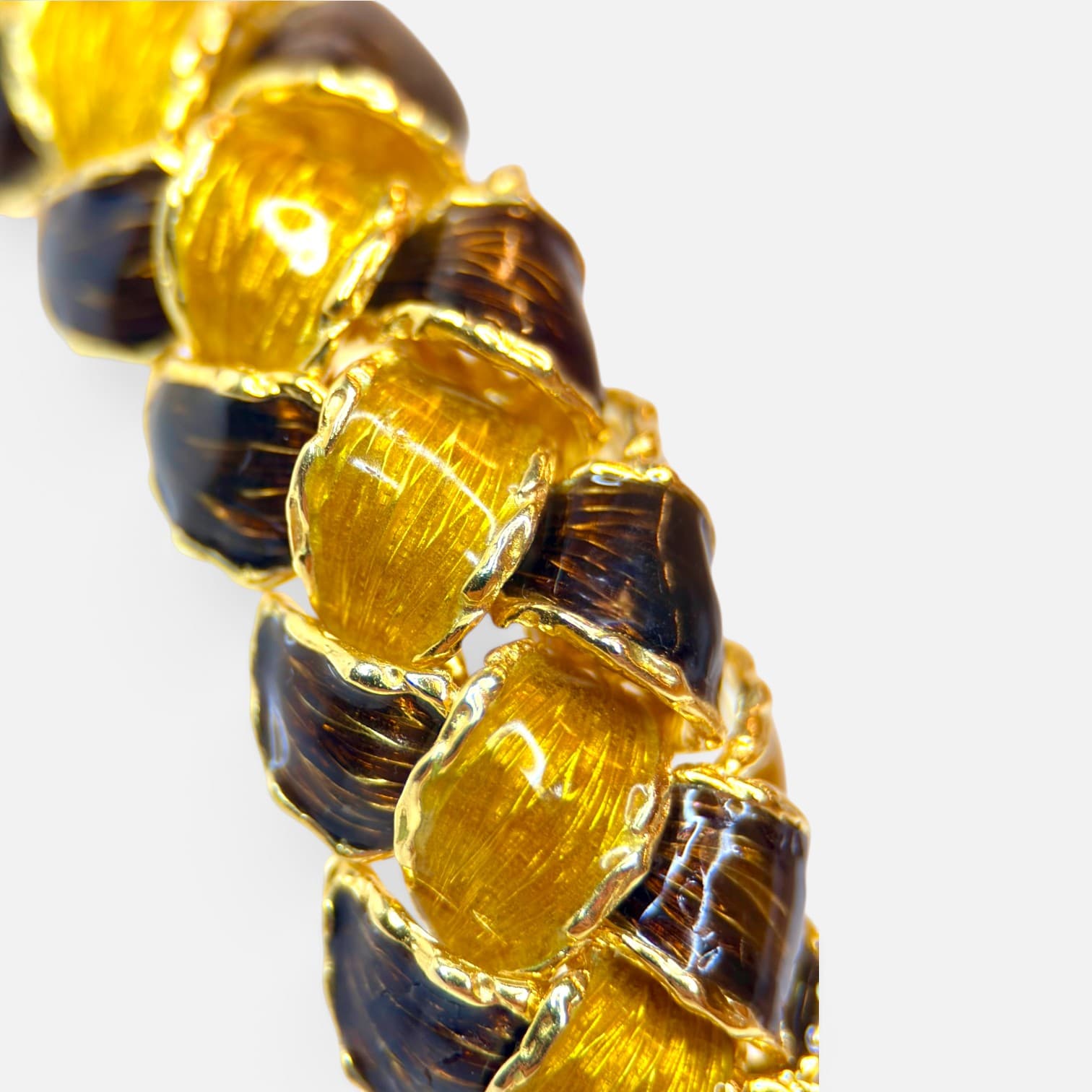
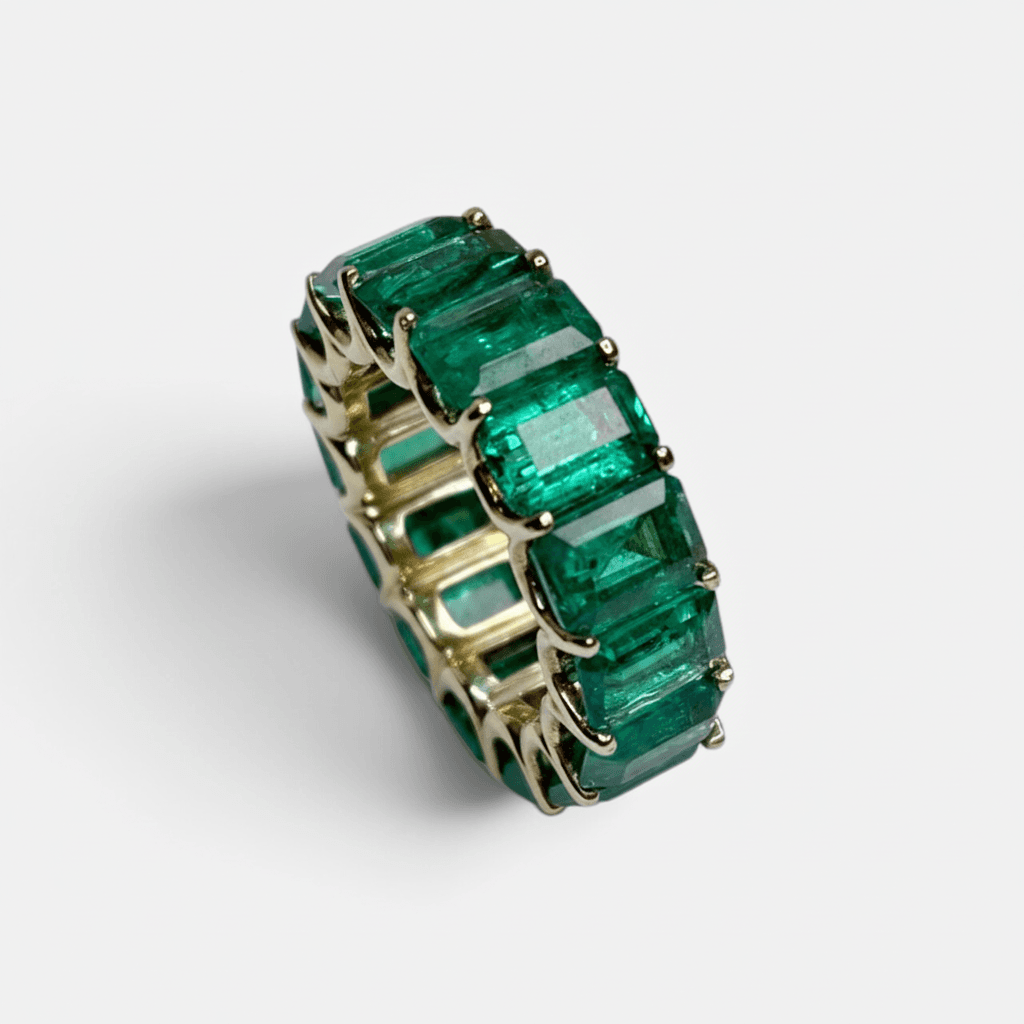
Pre-loved fine jewelry offers craftsmanship that's often hard to find in new production — hand-finishing, unusual stones, and designs that simply aren't made anymore. It tends to offer more character per dollar, and choosing it gives a beautiful object a second life rather than buying something newly made.
What to look for
Examine the condition of the metal and the security of the settings. Ask about any repairs or restoration. With signed pieces from known houses, hallmarks and maker's marks help confirm origin — though a great many wonderful pieces were made by unrecorded hands and are no less worth owning.
How we approach it
Every estate and vintage piece we carry is examined and cleaned before it's listed, with any wear noted honestly. When you acquire from us, you receive the piece and our standing behind it — and we're always glad to talk through a piece's condition in detail before you decide.