A diamond's shape is the first thing you notice about it, and it sets the whole personality of a piece. Shape is distinct from cut: shape is the outline — round, oval, and so on — while cut describes how well the stone is faceted. Here are the shapes you'll encounter most.
The round brilliant
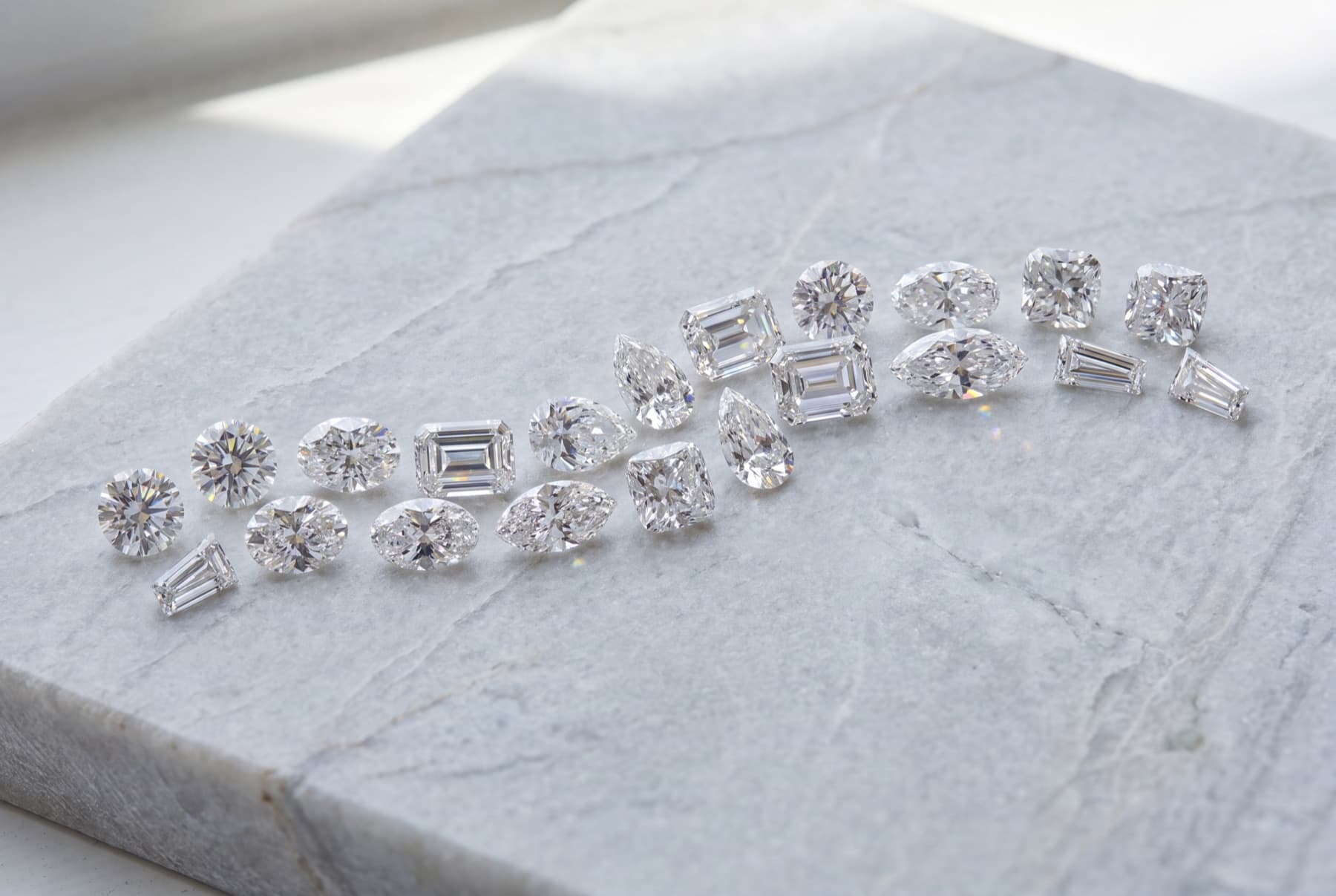
The round brilliant is by far the most popular shape, and for good reason — its facets are engineered to return the most light, giving it unmatched sparkle. It's the timeless, can't-go-wrong classic.
Fancy shapes
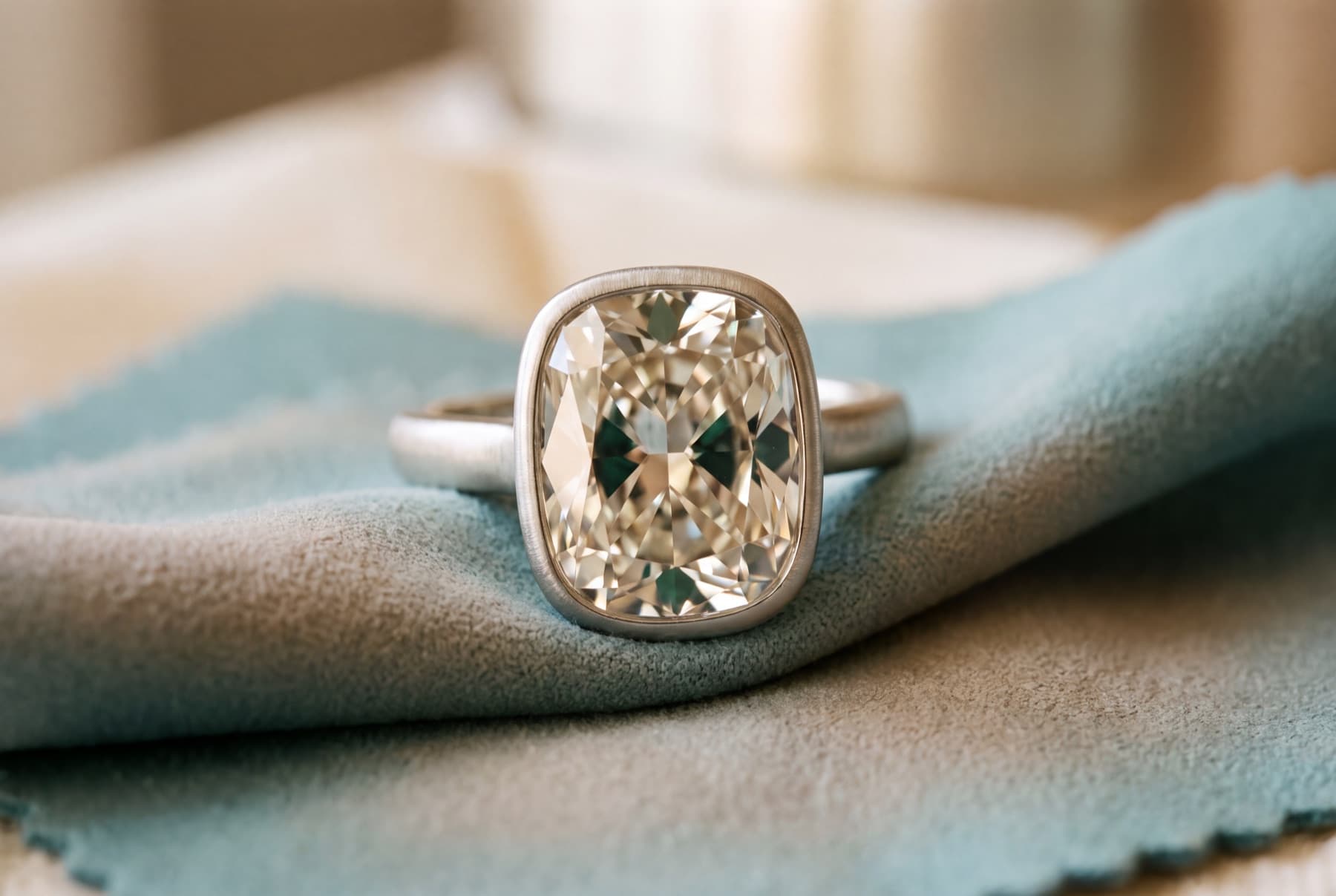
Everything that isn't round is called a fancy shape. Oval and cushion offer brilliance with a softer, elongating outline. The emerald cut is a step cut with long, elegant facets and a quieter, hall-of-mirrors shine. Pear, marquise, princess, radiant, and Asscher each bring a distinct character — from romantic to architectural.
Choosing a shape
Elongated shapes like oval, pear, and marquise flatter and lengthen the finger. Round and radiant maximize sparkle. Step cuts like emerald and Asscher reward a cleaner, higher-clarity stone, since their open facets show more. Beyond the guidance, choose the shape you're simply drawn to.
What are melee diamonds?
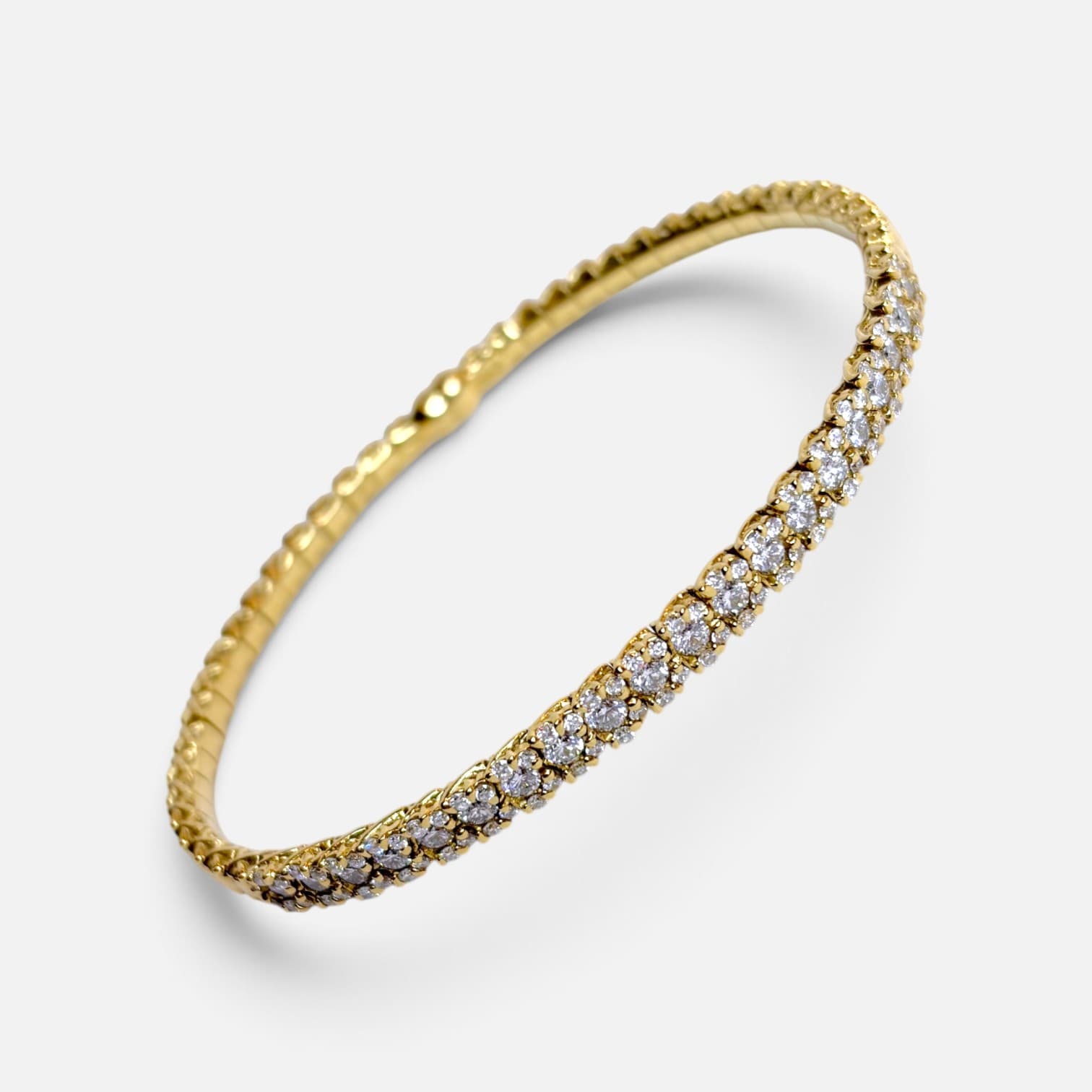
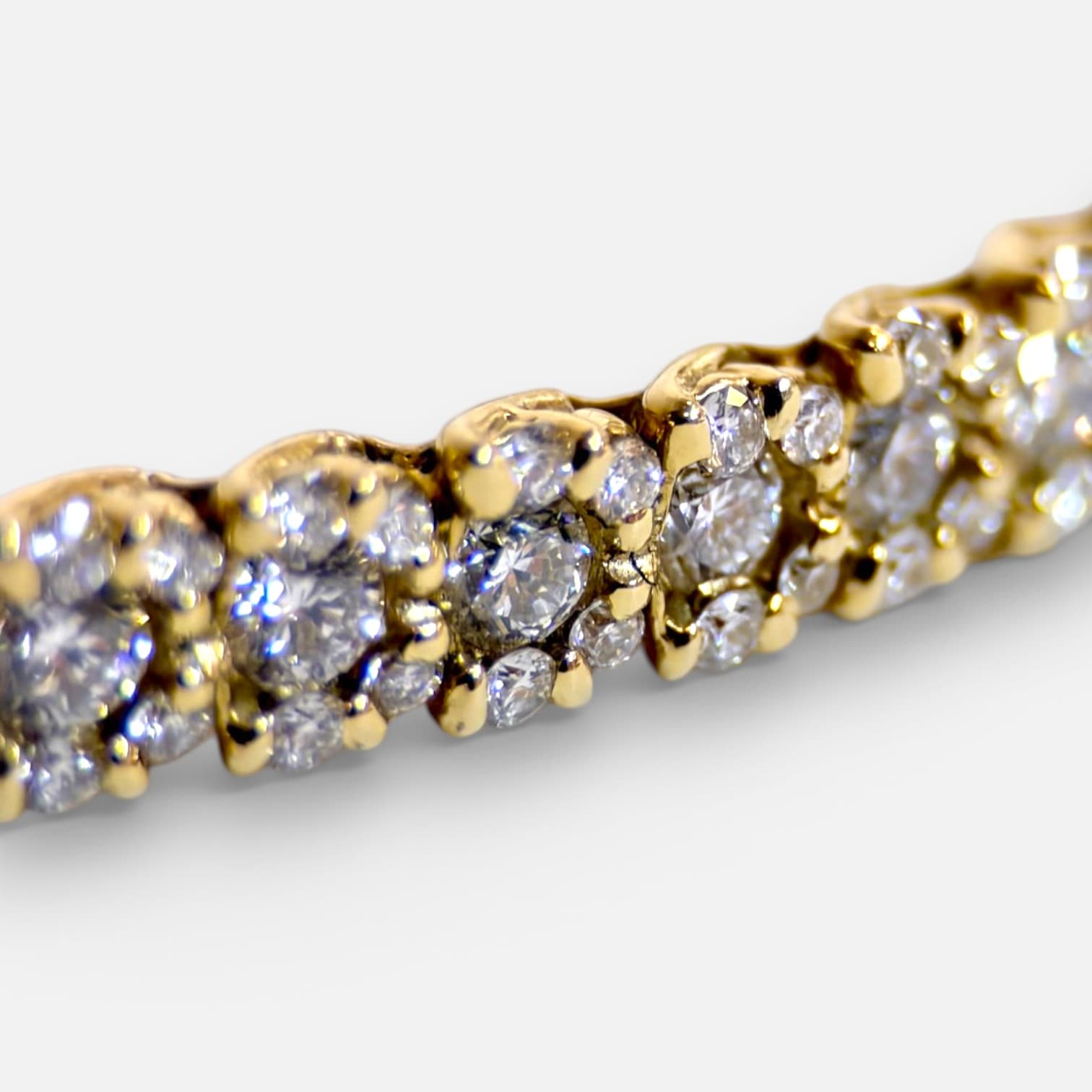
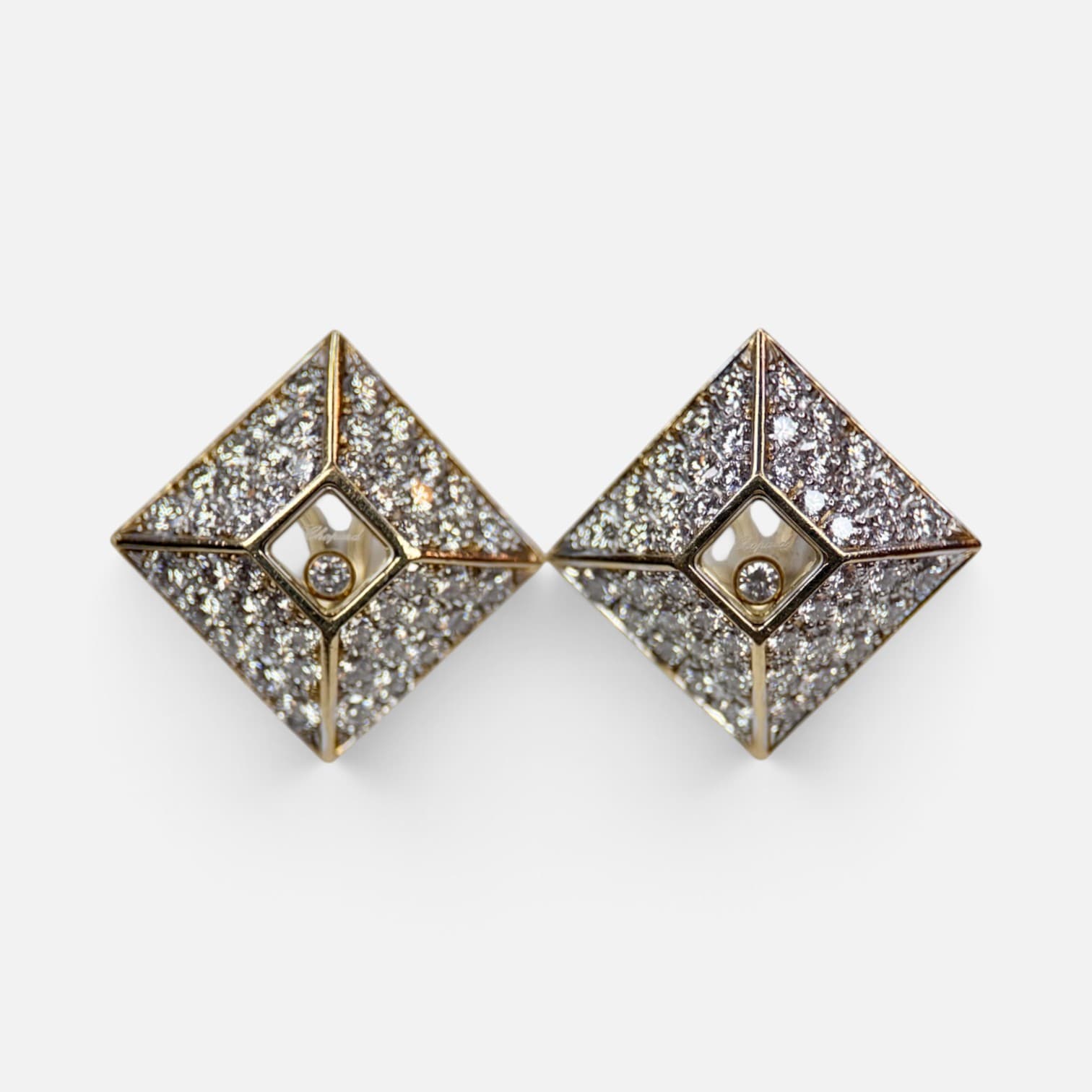
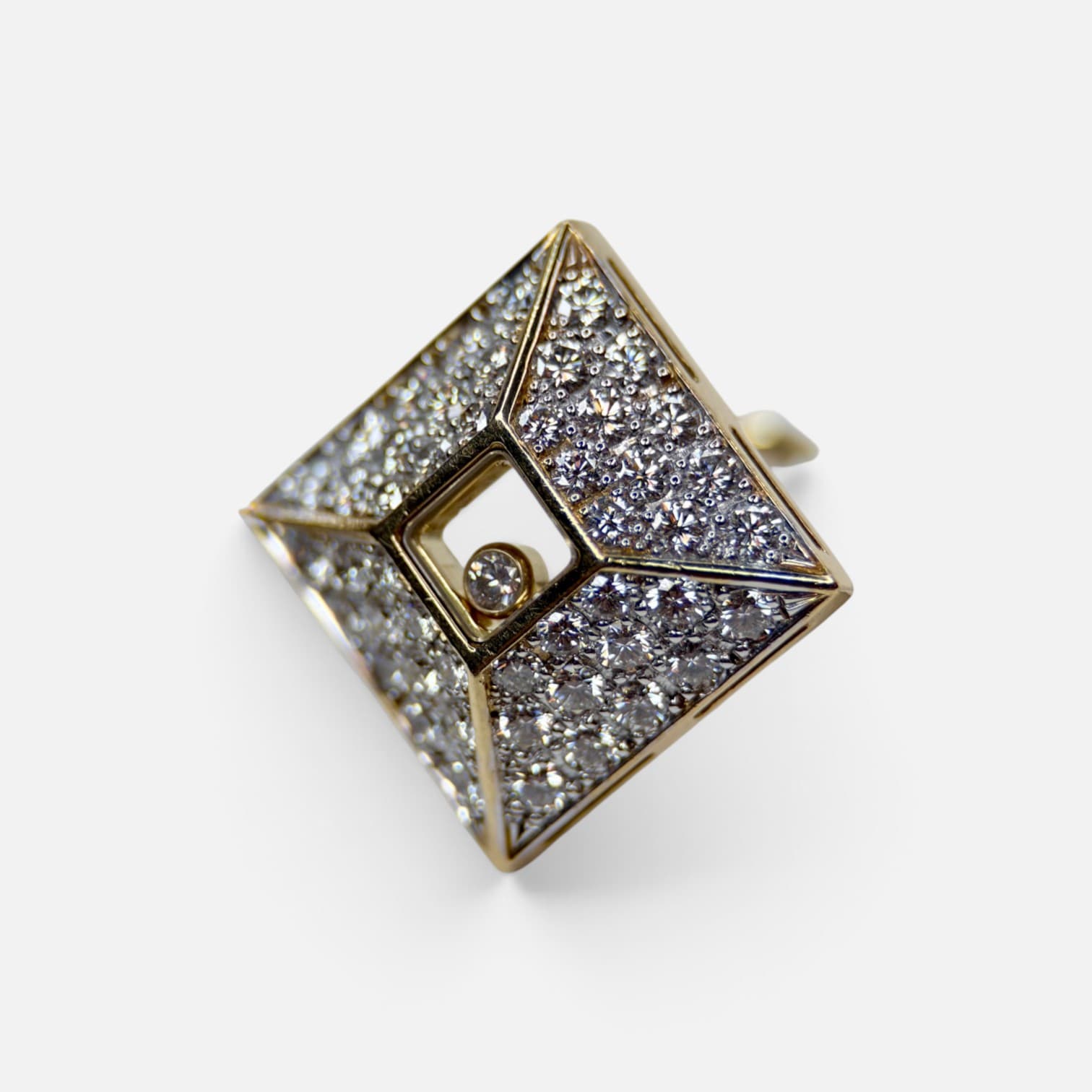
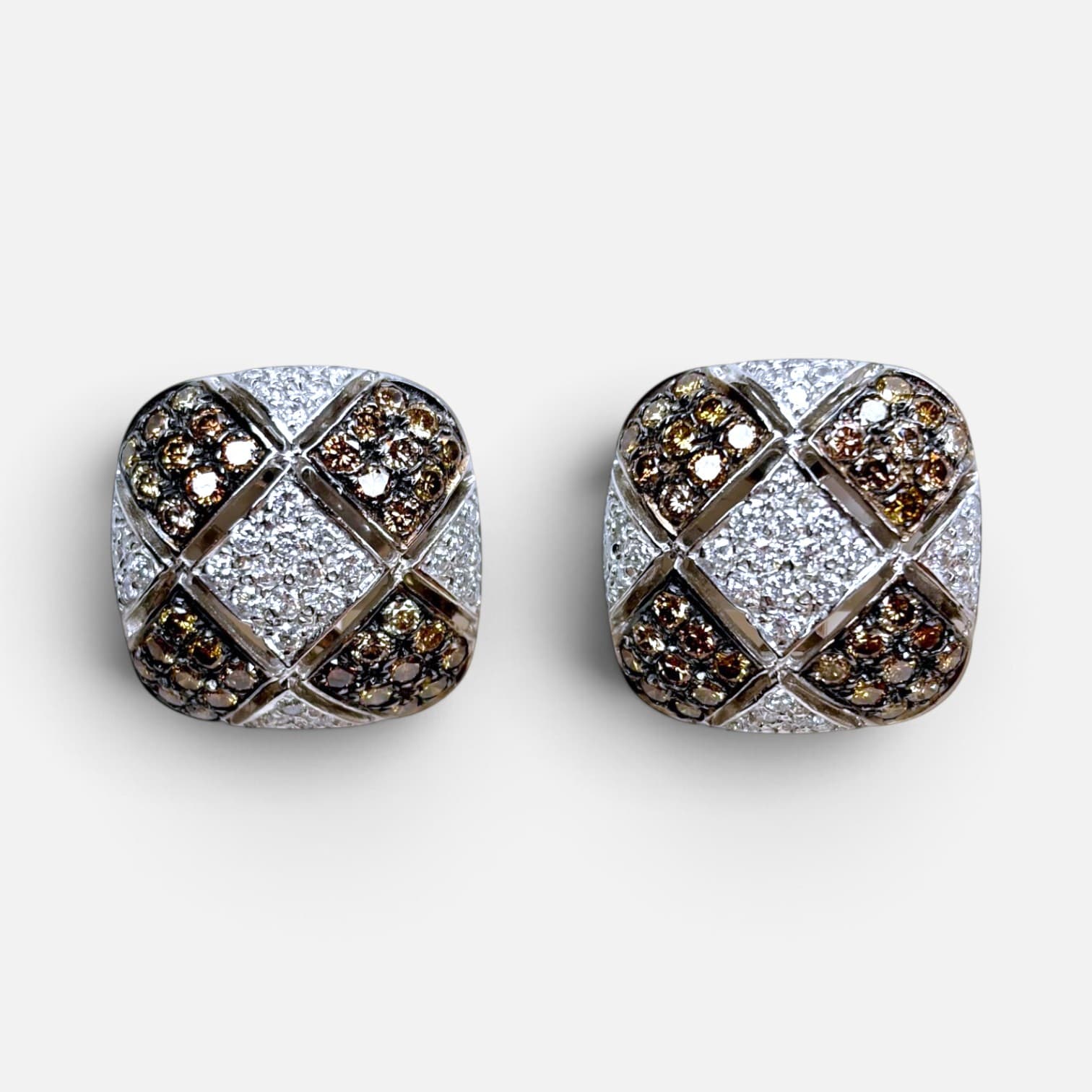
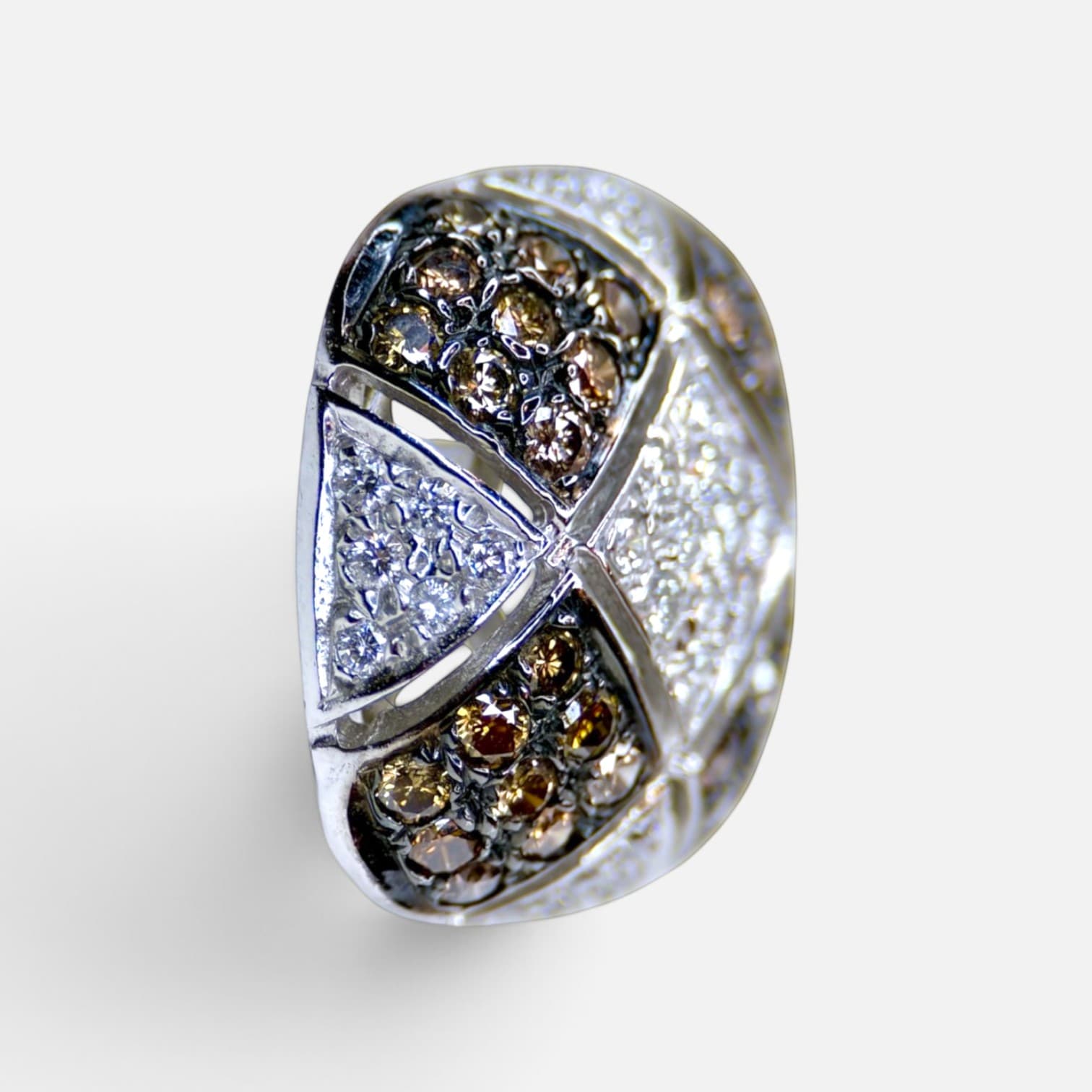
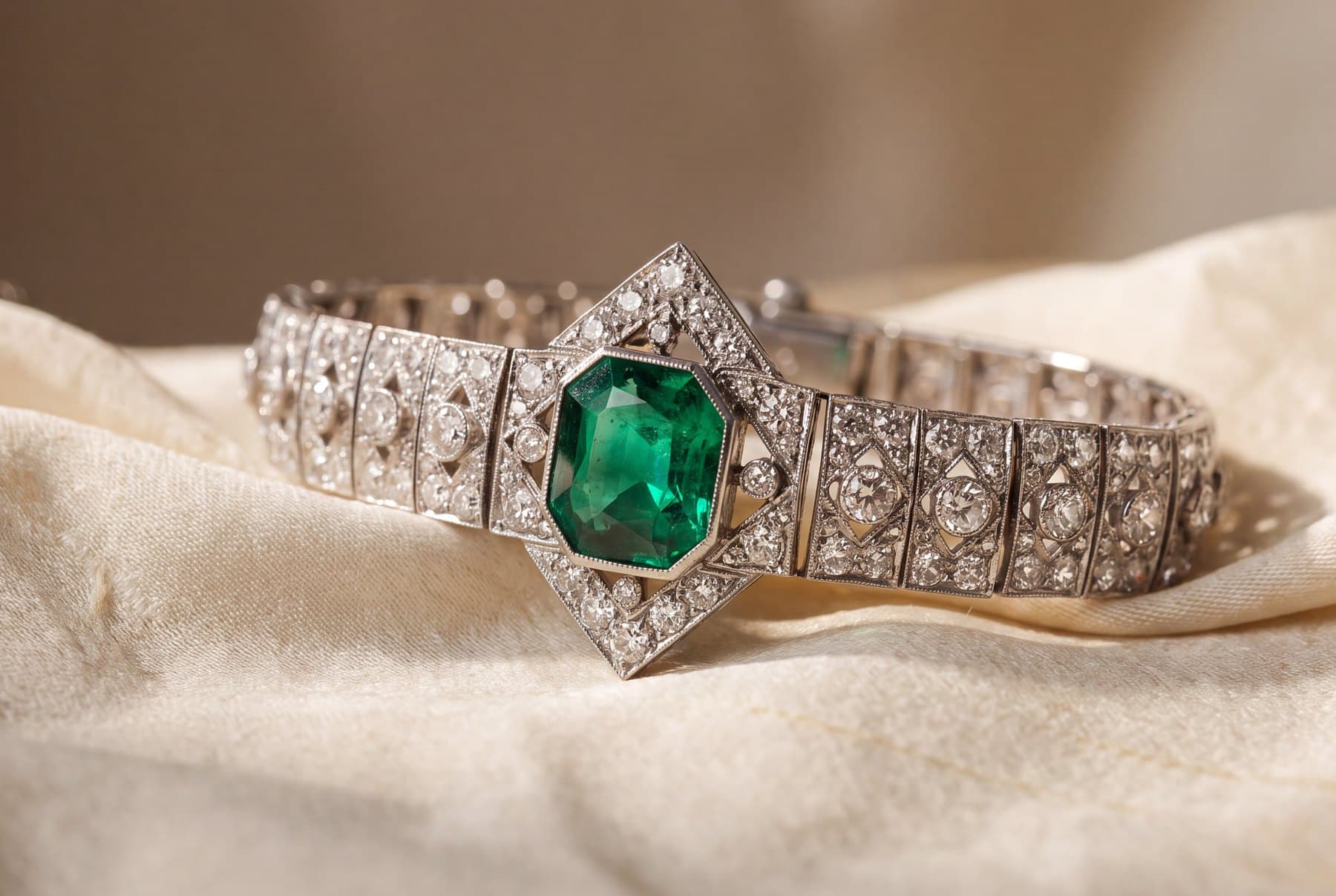
Melee refers to the tiny diamonds — generally under 0.2 carat — used as accents rather than center stones. They're what fill a pavé band, frame a halo, or line a channel setting, scattering light across a piece. In estate and vintage jewelry especially, finely set melee is a hallmark of careful craftsmanship, adding sparkle and detail a single stone can't.